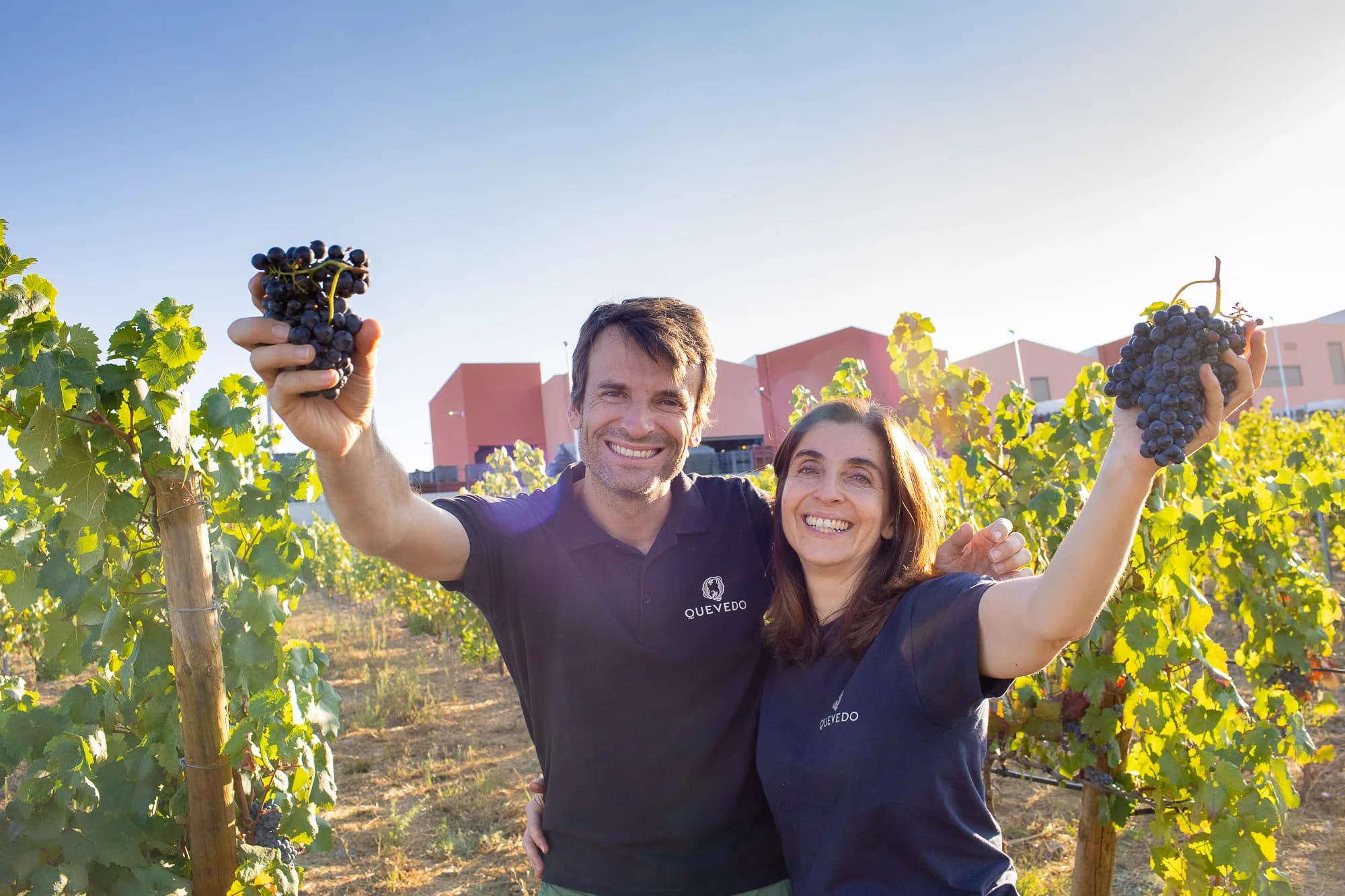
How did the Quevedo family come to make Port, and how did the family business grow?
Our family has been growing grapes and making Port for five generations, going back to 1889. But for most of that time, we weren't selling wine under our own name. Like many families in the Douro, we were growers and producers supplying the larger Port houses.
The real turning point came with my parents. My father, Óscar, and my mother, Beatriz, decided to invest in their own winery and, following changes to the Port trade regulations in 1986, finally had the opportunity to bottle and sell their wines independently. The Quevedo brand was officially established in 1993.
When my sister Cláudia and I joined the business, we inherited something very special, but also a big challenge: building a brand in an industry dominated by houses with centuries of history.
We've grown gradually, always remaining independent and family-owned. Today we farm around 100 hectares of vineyards and sell our wines in more than 40 countries. But I like to think that, despite the growth, we're still very much the same family from the Douro.
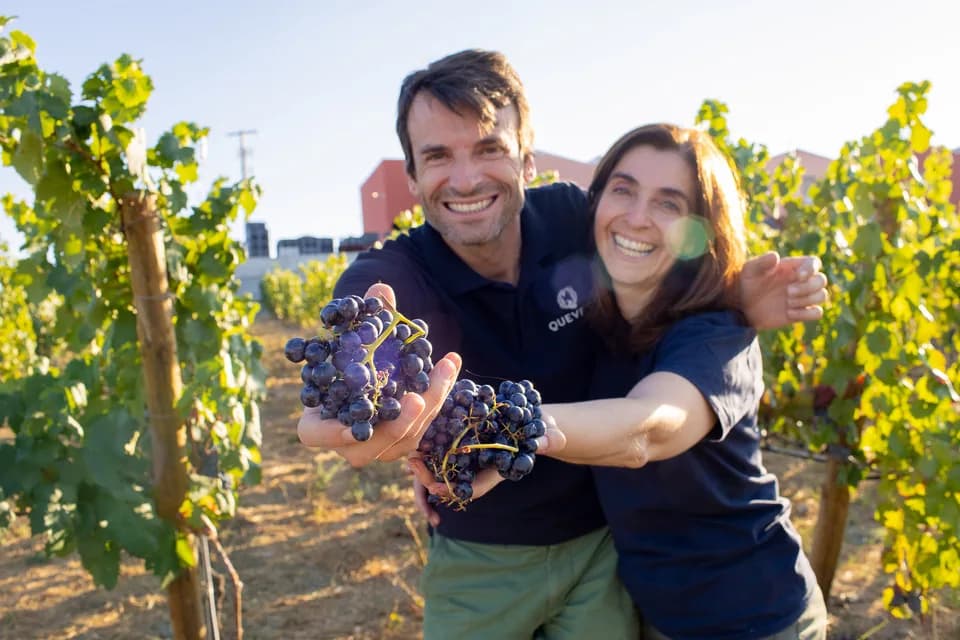
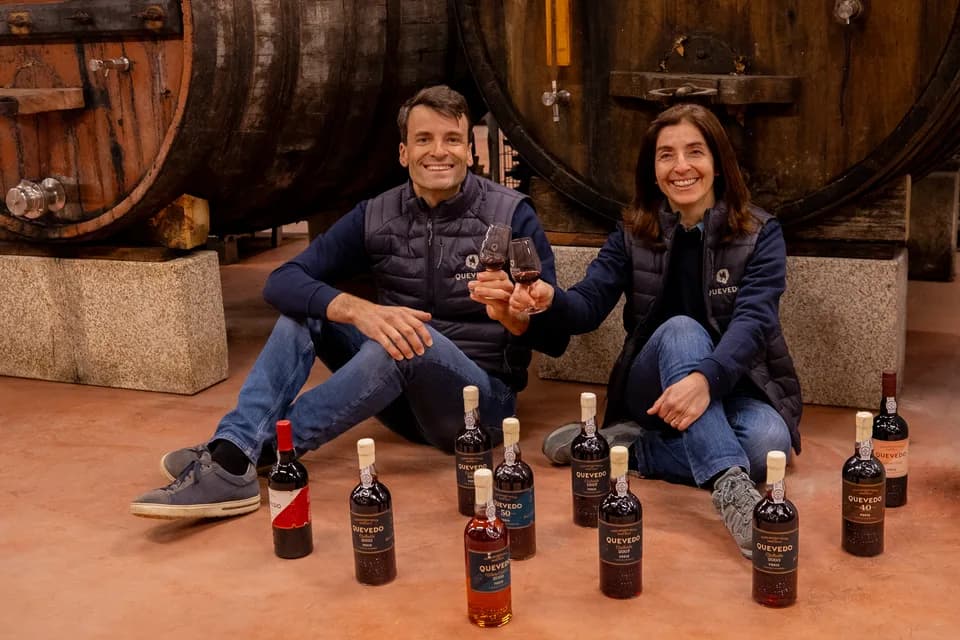
Oscar and Cláudia now run the house as siblings. How do you share the work, and what has each of you brought to it?
Cláudia is the winemaker. She studied oenology and joined the family business in 1998, while I took a slightly different path. I studied economics, worked in finance in Switzerland and Spain, and returned to the Douro in 2009 when my grandfather passed away.
So our responsibilities are quite complementary. Cláudia looks after winemaking, ageing and blending. She has an extraordinary knowledge of our wines and a very clear idea of what Quevedo should taste like.
I'm more involved in the commercial side, international markets and developing the business.
We have different personalities and sometimes different opinions, which I think is healthy! Cláudia brings a lot of technical precision and consistency, while I tend to be more curious about trying new things and exploring opportunities.
The important thing is that we share the same values and the same responsibility towards what our parents built.
Quevedo has a modern, digital-first voice that's unusual for Port. Why was that important to you?
When I started getting involved in the business, I realised that Port had a communication problem. It's an extraordinary wine, with an incredible history, but sometimes we make it sound much more complicated and intimidating than it really is.
In 2008, I launched one of the first blogs by a Port producer. At the time, that was quite unusual! But for us, the internet offered something extremely valuable: the possibility of speaking directly with people, without intermediaries.
We wanted to show what happens behind the scenes, explain how our wines are made, share our successes and sometimes even our mistakes.
I believe wine is fundamentally about people and relationships. You don't need to know everything about Port to enjoy a glass, and you certainly shouldn't feel intimidated by it.
Our philosophy has always been to take the wine seriously, but not ourselves too seriously.
Tell us about your vineyards in the Douro and what makes them special.
The Douro is a fascinating region because the landscape changes dramatically over very short distances. You can have two vineyards just a few kilometres apart producing completely different wines.
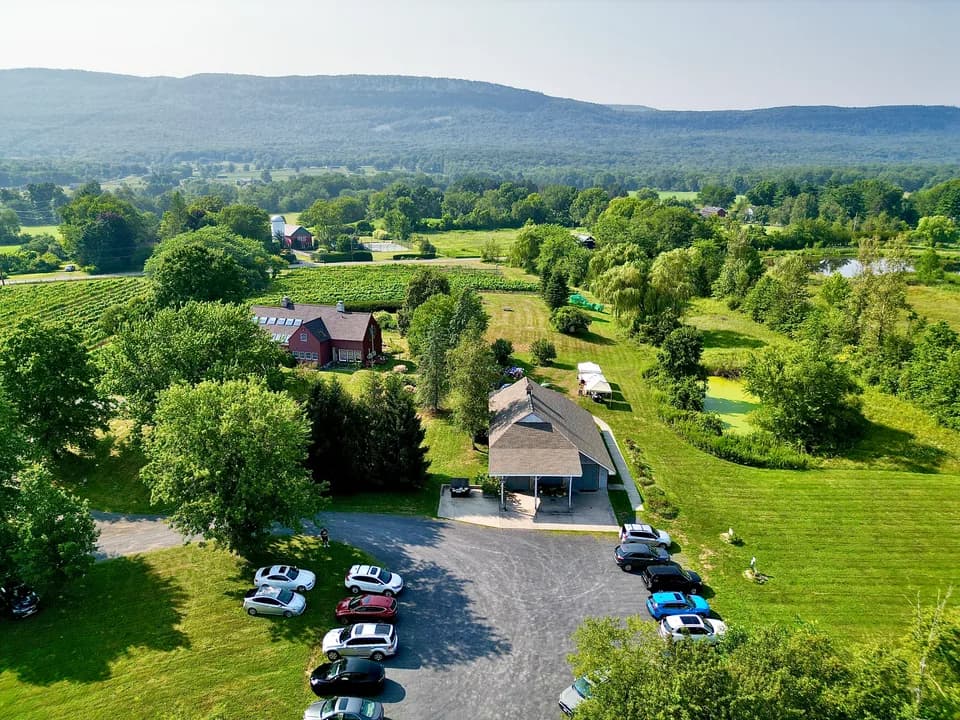
We work with five estates, spread across different parts of the Douro, with vineyards ranging from around 100 to over 600 metres in altitude.
Quinta Vale d'Agodinho, for example, is located in a warmer area close to the river, with old vines that produce concentrated, structured wines, particularly important for our Vintage Ports.
Then we have Quinta Senhora do Rosário, where our winery is located, at around 600 metres of altitude. Here, the cooler conditions help preserve acidity and freshness, which are particularly valuable in a region as warm as the Douro.
Trovisca is another very important estate for us. It has higher-altitude vineyards, organically farmed parcels and is also where we experiment with different grape varieties and viticultural techniques.
For me, the beauty of the Douro is precisely this diversity. It allows us to combine concentration with elegance and freshness, which is something we increasingly look for in our wines.
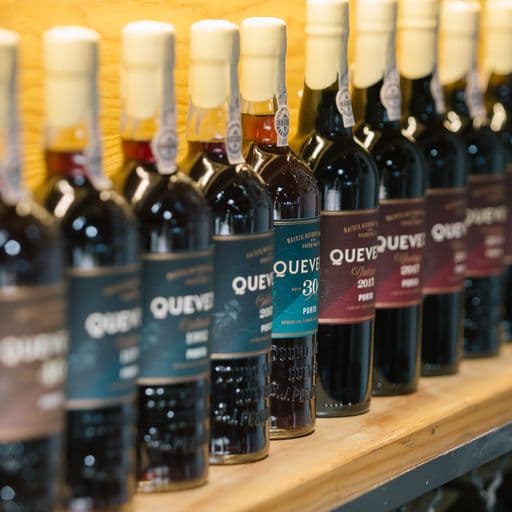
Walk us through how a Quevedo Port is made, from harvest to bottle.
Everything starts in the vineyard. We spend the year looking after the vines, but the harvest is when all those decisions are tested.
In the Douro, almost all of the harvesting is still done by hand because of the steep terraces. Once the grapes reach the winery, we begin fermentation, extracting colour, tannins and flavours from the skins.
The fundamental difference between Port and a regular wine comes during fermentation. Before all the natural grape sugar has been converted into alcohol, we add grape spirit, which stops fermentation. This is what gives Port its characteristic combination of natural sweetness, richness and around 20% alcohol.
But that's only the beginning!
From there, the wines follow very different paths. Some are aged with limited oxygen exposure to preserve the intense fruit character we want in Ruby, LBV and Vintage Ports. Others spend many years in wooden casks, developing the complex aromas of nuts, spices, dried fruit and caramel that we associate with Tawny Ports.
One of the most important and fascinating parts of the process is blending. Cláudia tastes and follows our wines throughout their ageing, selecting and combining them to achieve the balance and character we're looking for.
Port is a wine that requires both technical knowledge and a great deal of patience.
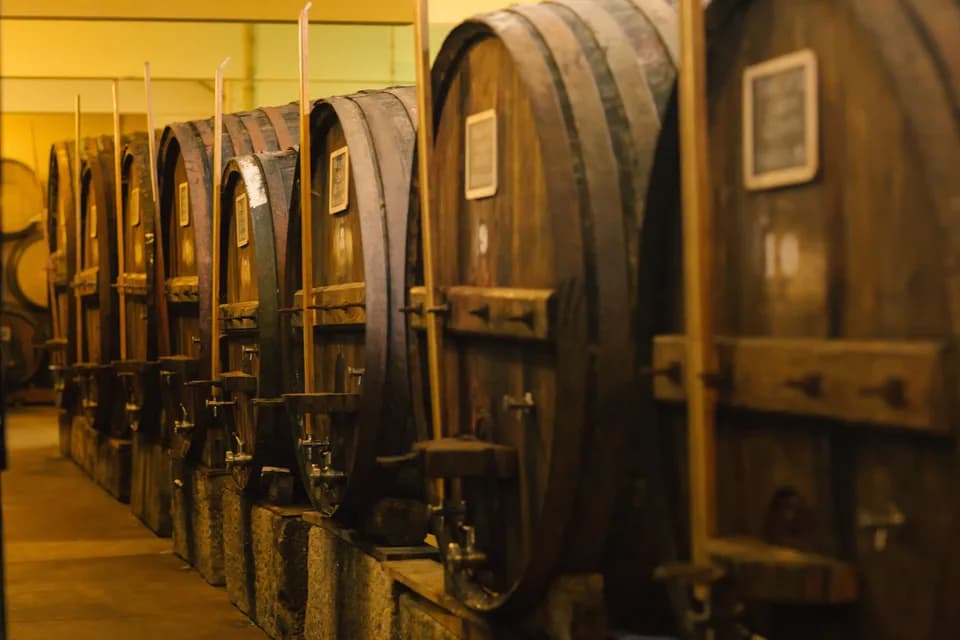
Which Quevedo Port are you proudest of, and what's the story behind it?
That's a difficult question because different wines represent different moments in our family's history.
But if I had to choose one today, I would probably say our White Colheita 1986.
It's a very special wine, not just because of its quality, but because of what that year represents. In 1986, Portugal joined the European Economic Community, and the changes that followed opened the door for small Douro producers like our family to bottle and commercialise Port under their own names.
This wine comes from that exact year and has spent four decades ageing in a single wooden cask.
It has incredible complexity, with notes of orange marmalade, honey, caramel and toasted nuts, but what surprises me most is the freshness it has retained after so many years.
It's a beautiful reminder that great Port is something we create for the future. Someone in our family made this wine long before Quevedo became the brand it is today, without knowing exactly when or how it would eventually be enjoyed.
I find that quite moving.
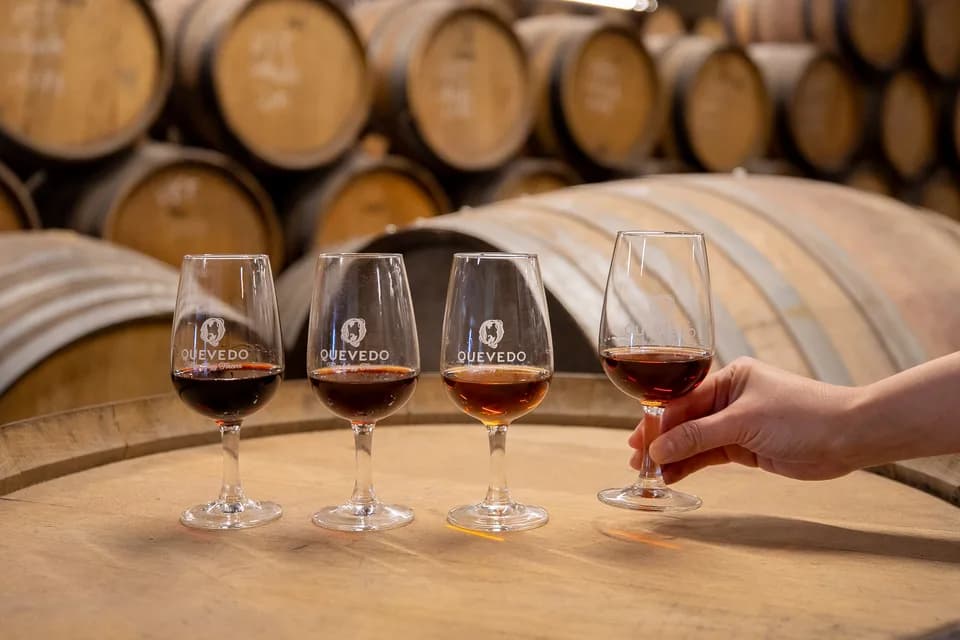
What do people most often misunderstand about Port?
Probably that Port is only a sweet, heavy wine to drink after dinner, preferably next to a fireplace!
Of course, there's nothing wrong with that tradition, but Port is so much more versatile.
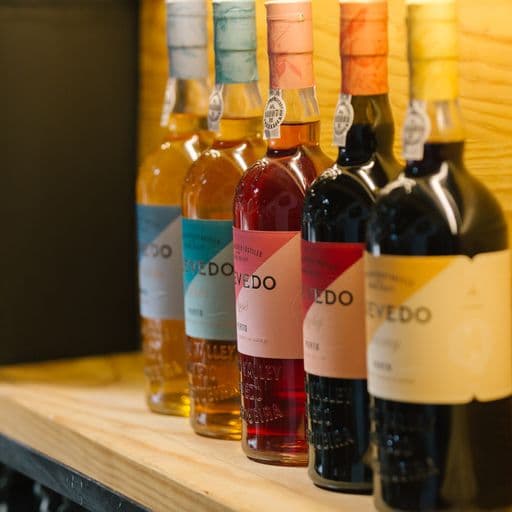
We produce very different styles, from young, vibrant Ruby Ports to elegant aged Tawnies, complex Vintage Ports and wonderful White Ports.
Another misconception is that Port should always be served at room temperature. In fact, many Ports become much more enjoyable when served slightly chilled, particularly White Ports and Tawnies.
And perhaps the biggest misunderstanding is that Port is complicated. It doesn't have to be. You can enjoy a simple White Port and Tonic on a sunny afternoon without knowing anything about the ageing process.
My ambition is to help people discover that there's a Port for many more occasions than they might imagine.
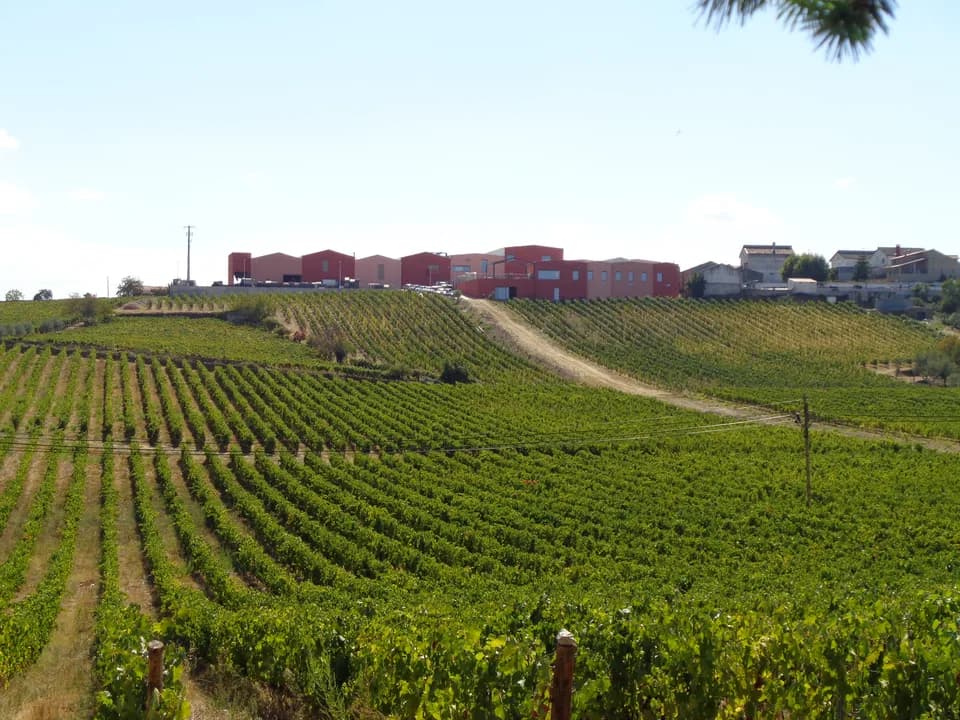
What does a visit to your tasting lodge in Gaia look like?
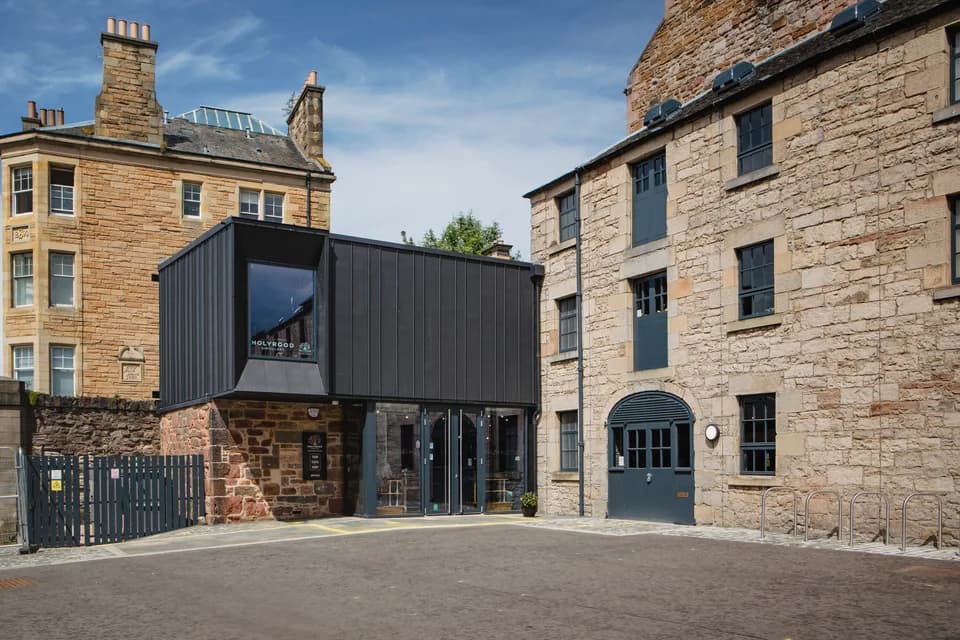
Our Lodge is in Vila Nova de Gaia, just a short walk from the Douro River, in a beautiful building that used to be a cooperage around 200 years ago.
We wanted to create something a little different from a traditional Port cellar visit. A place where people could feel comfortable, whether they know a lot about wine or are tasting Port for the very first time.
We have a wine bar, where visitors can simply enjoy a glass, a Port cocktail or some local food, and a tasting room for more guided experiences.
People can discover different styles of Port, explore pairings with cheese or chocolate, participate in blind tastings, or even create their own Port blend in one of our workshops.
We also have live Fado performances, which bring another dimension of Portuguese culture into the experience.
What matters most to me is that people leave not only having tasted some good wines, but having enjoyed themselves and hopefully learned something new.
Wine should bring people together. That's really what we try to achieve at the Lodge.
Gen Z and millennial drinkers are changing how people discover wine and spirits. How are you reaching younger drinkers, and what do you think they're looking for?
I think younger consumers approach wine very differently from previous generations. They're less interested in following traditions simply because that's how things have always been done.
They want authenticity, transparency and experiences they can connect with. They also want to understand the people and the stories behind the products they choose.
For us, that means making Port more accessible, both in how we communicate and how we suggest enjoying it.
Social media has been part of our approach for many years, but I don't think being modern is simply about being present on Instagram or following every new trend.
It's about changing the conversation.
For example, Rosé Port and White Port cocktails are excellent ways to introduce Port to people who might never consider ordering a traditional glass. They're refreshing, easy to prepare and fit naturally into more casual occasions.
At the same time, we see growing interest in drinking less but choosing better-quality products, understanding their origins and enjoying memorable experiences.
I don't think we need to reinvent Port to attract younger drinkers. We need to show them just how relevant and versatile it already is.
Port and cigars are a classic pairing. Which Quevedo Port would you pour with a cigar, and which cigar would you choose?
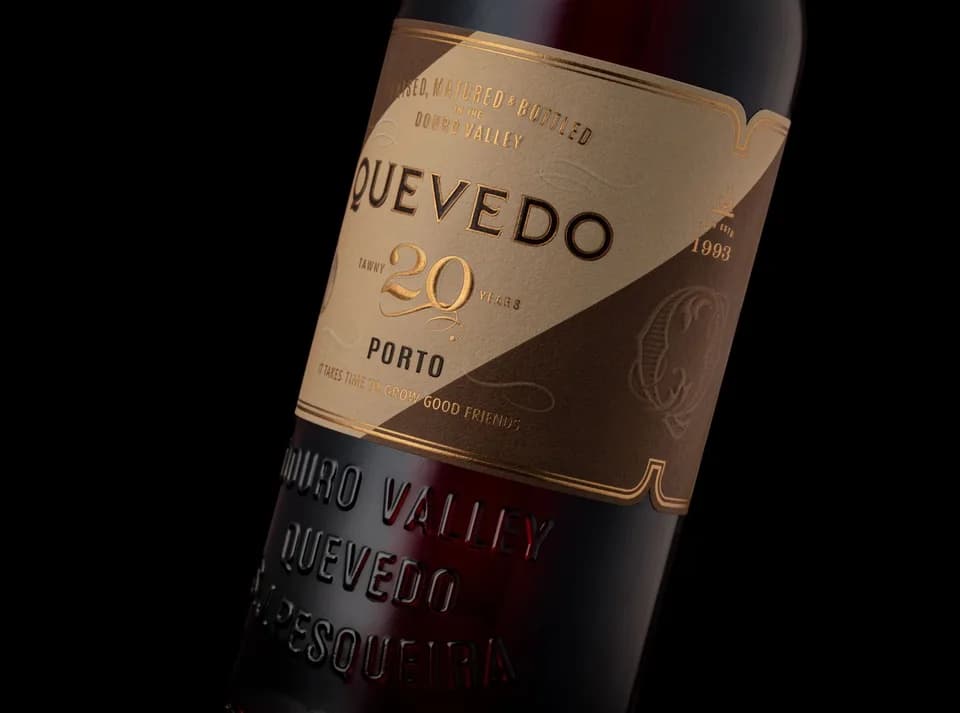
I would probably go for our 20 Year Old Tawny Port, paired with a Montecristo No. 4.
The Port has a lovely combination of toasted nuts, dried fruit, caramel and warm spices, with enough acidity to keep everything balanced.
I think those flavours work particularly well with the woody, earthy and slightly spicy character of a medium-bodied cigar.
The important thing with this kind of pairing is balance. You want the wine and the cigar to complement each other rather than compete.
And, of course, both are things that invite you to slow down and enjoy the moment.
How do you like to serve Port beyond the classic after-dinner glass?
One of my favourite ways to introduce people to Port is with a Port and Tonic. It's incredibly simple, but it completely changes people's perception of the wine.
I particularly enjoy it with our Rosé Port, plenty of ice, a good tonic and a slice of citrus fruit. It's fresh, aromatic and perfect as an aperitif.
I also think aged White Ports deserve much more attention. A 10 Year Old White Port, served slightly chilled with some salted almonds or a good aged cheese, can be a fantastic experience.
And I love exploring Port with food, particularly savoury dishes. We tend to associate Port with desserts, but its combination of sweetness, acidity and complexity can create some really interesting contrasts.
The fun is in experimenting. There aren't as many rules as people think.
What's next for Quevedo?
I think we're entering a very exciting chapter.
We've spent the last few decades building our identity as an independent family producer, and now we want to go further in connecting people with our wines and with the Douro itself.
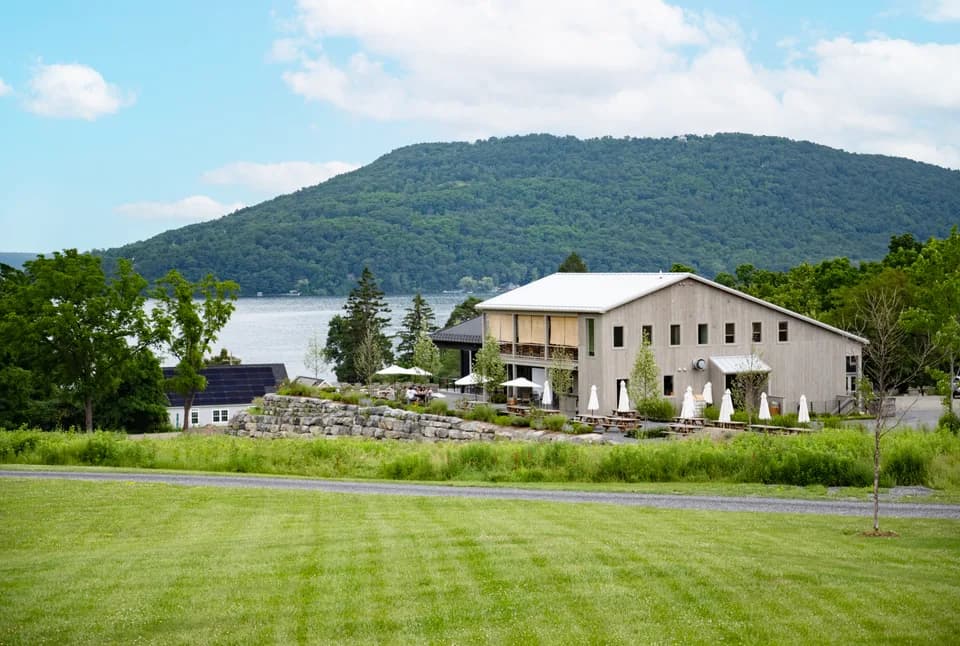
One of our most recent projects is ROGA, a restaurant we have just opened at our winery in São João da Pesqueira, in collaboration with chef Fernando Gomes.
It's a project I'm particularly excited about because it brings together everything that matters to us: our wines, local gastronomy, the landscape and the tradition of sharing a table.
We're also continuing to explore new expressions of the Douro through our QLAB experimental wines, working with different grape varieties and winemaking techniques, while preserving and developing our collection of aged Ports.
Sustainability is another important part of our future. We're continuing to invest in more responsible viticulture and finding ways to adapt to the challenges of a changing climate.
But ultimately, our ambition is quite simple.
We want to keep making wines we're proud of, remain independent, and introduce Port to people who haven't yet discovered how wonderful it can be.
Five generations have brought us here. Hopefully, we're still at the beginning of the story.