Charlie, Vigilant has been protecting collectors' passions for more than 30 years. How did the company begin?
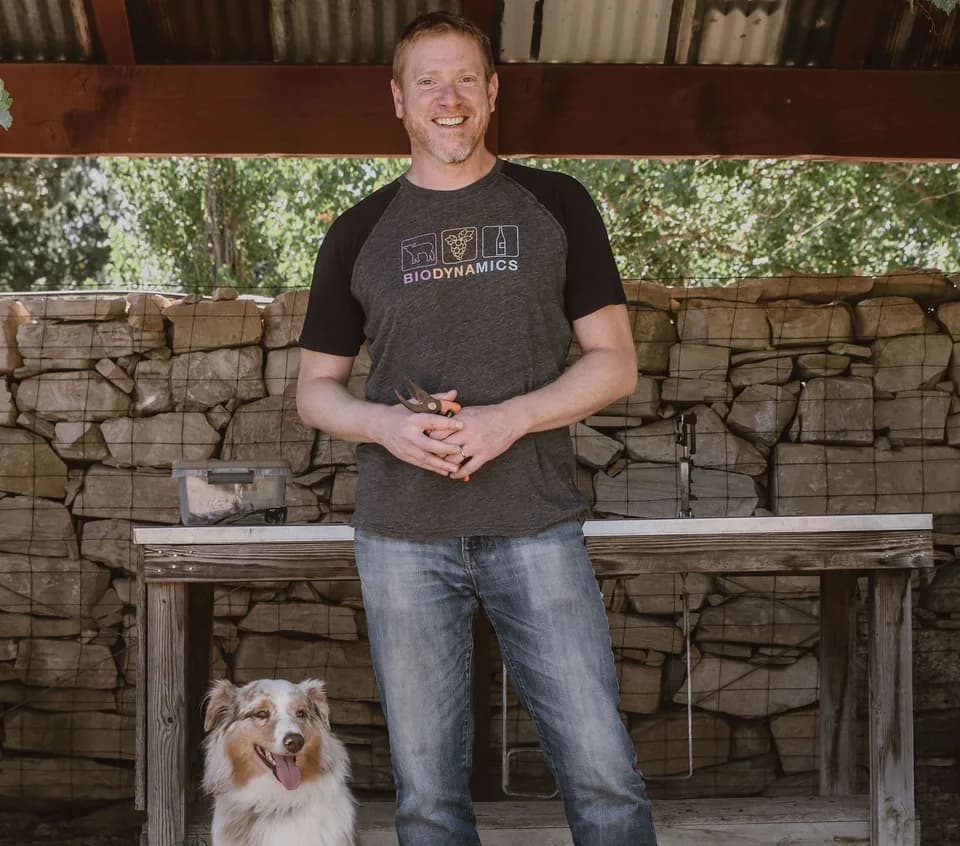
I started Vigilant in my garage in Portsmouth, New Hampshire, in 1995. My business partner and I had come up with a way to control humidity electronically, and I built the first cabinet there. We took it to Ehrlich’s in Boston. Paul Macdonald said he’d put it in the shop and buy another one if it sold. By the time we got home that day, there was a voicemail waiting. It had sold.
I went back to the garage and built six more. I loaded them into the family minivan and headed south, stopping at tobacconists along the way. We opened a shop in York, Maine, a few years later and eventually ended up in Dover, where we build our humidors and wine storage today.
What first drew you to building humidors and climate-controlled cabinets?
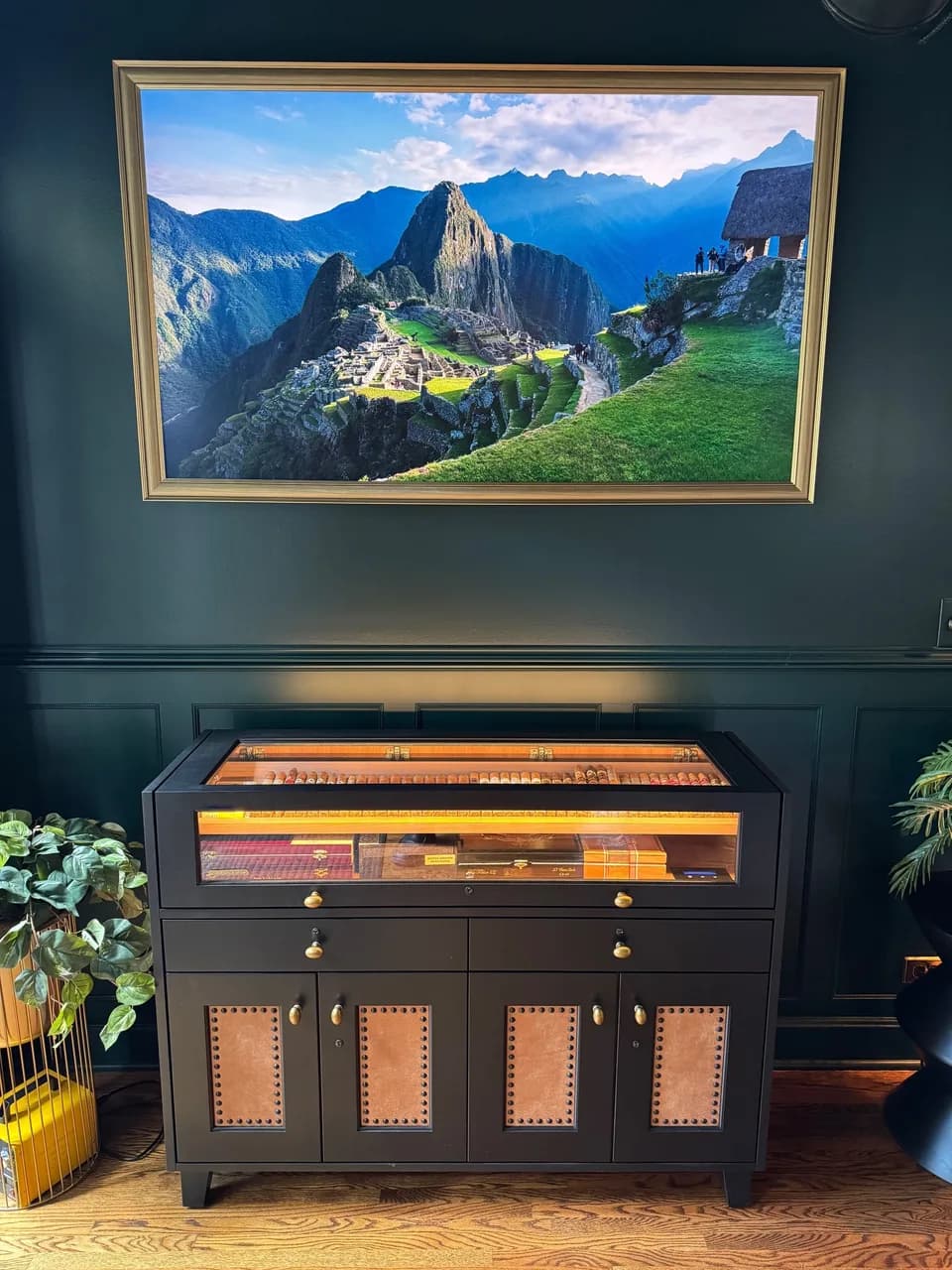
I was sitting outside having a cigar with a friend when I got thinking about it. I wondered if I could make a humidor that knew when the air inside was getting dry and could add moisture on its own. An end table seemed like a good place to start. You could keep your cigars right next to the chair where you’d sit down to smoke one, it would integrate into a home or office perfectly. That became the Reliance End Table, and once we had it working, I wanted to see what we could do with a larger cabinets and eventually moved to fully bespoke custom builds.
Walk us through how a custom Vigilant humidor is designed and built in Dover.
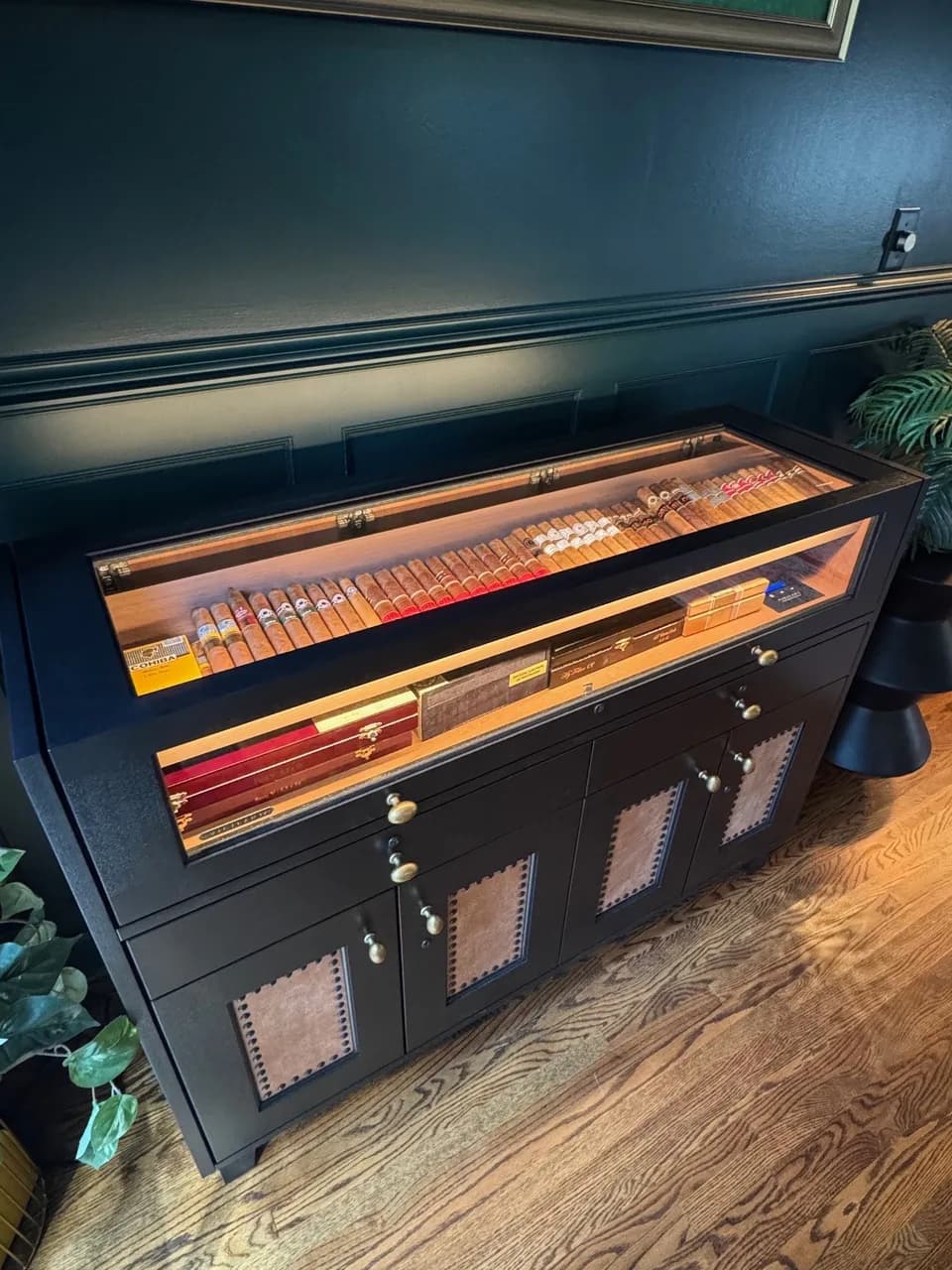
The first thing I want to know is what’s going in it and how do you intend to use it. If you buy by the box, we want to know the size of those boxes. If you’ve got a few cigars you reach for all the time, we might give those a drawer where they’re easy to get to.
From there, we look at where the cabinet will go and our expert design team will draw it up for the client. If it’s going into a bar or a wall, we’ll talk to the builder about the opening and how you’ll get to the equipment later. Once the drawings are approved, our team in Dover builds and finishes the cabinet, fits the doors and shelves or drawers, and installs the humidification system.
What is the hardest part of keeping cigars at the perfect temperature and humidity, and how do you solve it?
Getting the same conditions throughout the cabinet. You can have a good reading at the sensor and still have a shelf packed so tightly that air barely moves around the boxes. We pay attention to how well the door seals, how air will move around the collection, and whether the humidifier is sized for the cabinet.
Then there’s the room it’s sitting in. If that room tends to run warm, we’ll look at whether the cabinet needs temperature control and what the installation can accommodate.
What is the most ambitious humidor or cigar room you have ever built?
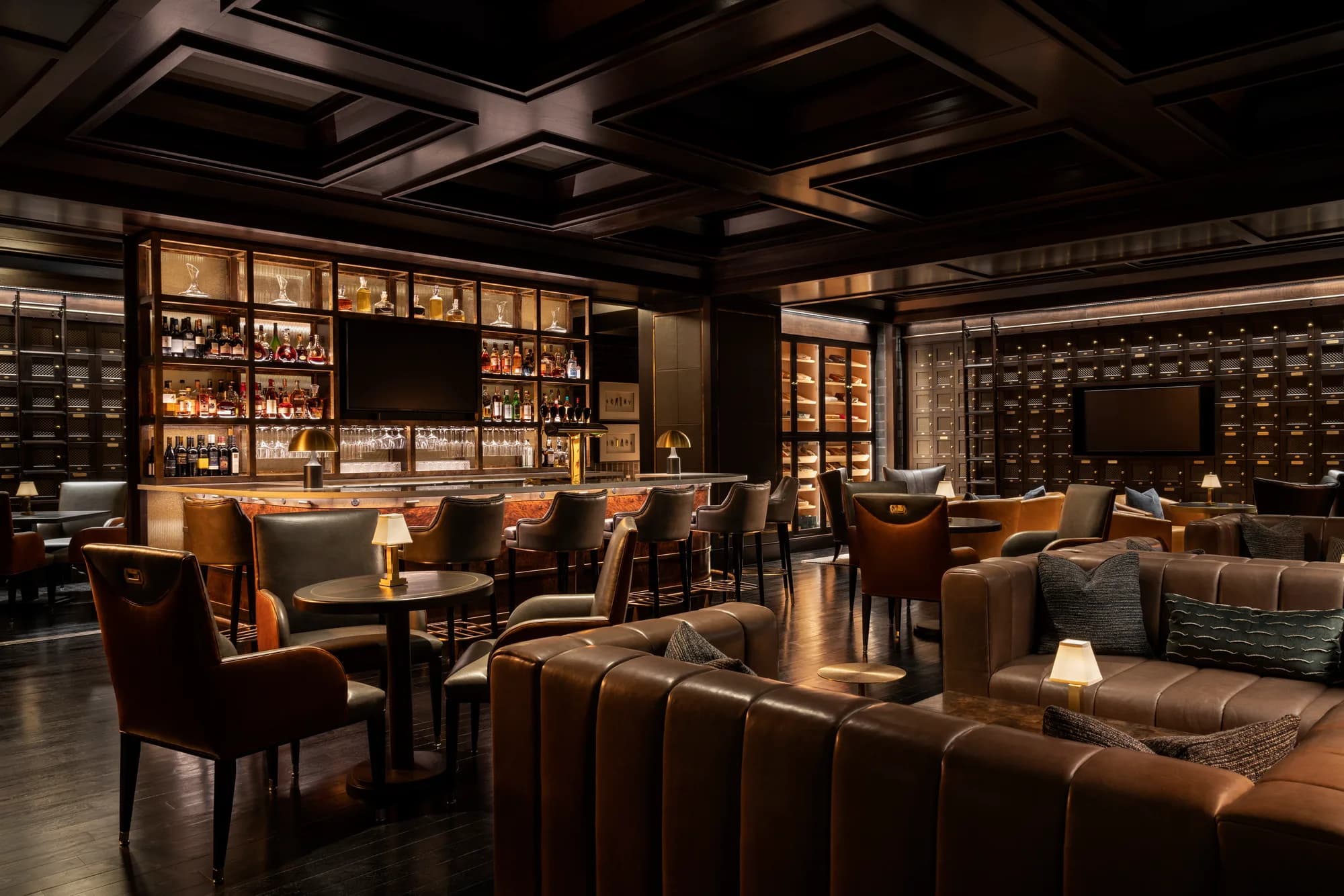
I’d put the Cigar Club at The Ritz-Carlton in St. Louis up there. The Johnson Studio at Cooper Carry was going for the feel of a 1920s speakeasy, and we built hundreds of individually keyed lockers along with the cigar display cabinets. That’s a lot of little doors to fit into one room. What made it interesting was figuring out how to give members secure storage and make all that cabinetry feel at home in a place people came to sit and have a drink.
Who are your clients, and what do they usually ask for?
Sometimes it’s a homeowner who’s outgrown the box on their desk and wants an end table by the chair where they smoke. Sometimes their architect or designer is planning a bar and wants us to build the humidor into the woodwork. A club or hotel might ask us for wine or cigar lockers so members can keep their cigars there. At a cigar shop, the owner wants customers to see what’s available and staff to be able to get to it easily. No matter what, our clients are always people who care about protecting what they live; wine and cigars.

How has technology changed humidor building since you started?
We had electronic humidification in that first end table. What’s gotten easier since then is seeing what the cabinet is doing. On an analog system, there’s a dial to adjust and a separate hygrometer to check. With digital controls, you can see the humidity and adjust the setting on the same controller. It sounds like a small thing, but it makes it easier to help somebody over the phone when they can tell us what they set it to and what they’re actually seeing.
Millennials and Gen Z are starting cigar collections. What should a younger collector know before investing in storage?
Think about what you actually bring home. If it’s a few singles here and there, a desktop humidor that seals well and uses a simple passive system can do the job. If you buy full boxes, get out a tape measure. A cabinet can hold plenty of cigars and still be too shallow for your favorite box. I’d leave some room for the next box and get a hygrometer I can trust.
What is one mistake people make when storing cigars at home?
People get hung up on 70 percent humidity as gospel. For aging, I like it closer to 65 percent, and I want it to stay consistent around there. If a cigar feels unusually soft or I have to keep relighting it, I’d check whether the humidor’s been running high. Before I ever touch the controls, I’d make sure the hygrometer is reading accurately as well.
Our readers love whisky and cigars. What would your ideal evening with a Vigilant humidor look like?
I’d have a friend over after dinner. We’d pick a couple of cigars out of the Reliance, some bourbon out of a custom made Vigilant cabinet and sit down to catch up. I don’t get to sit down with a cigar as often as I used to – or would like to, so I’d be happy to leave the rest of the evening open for that.
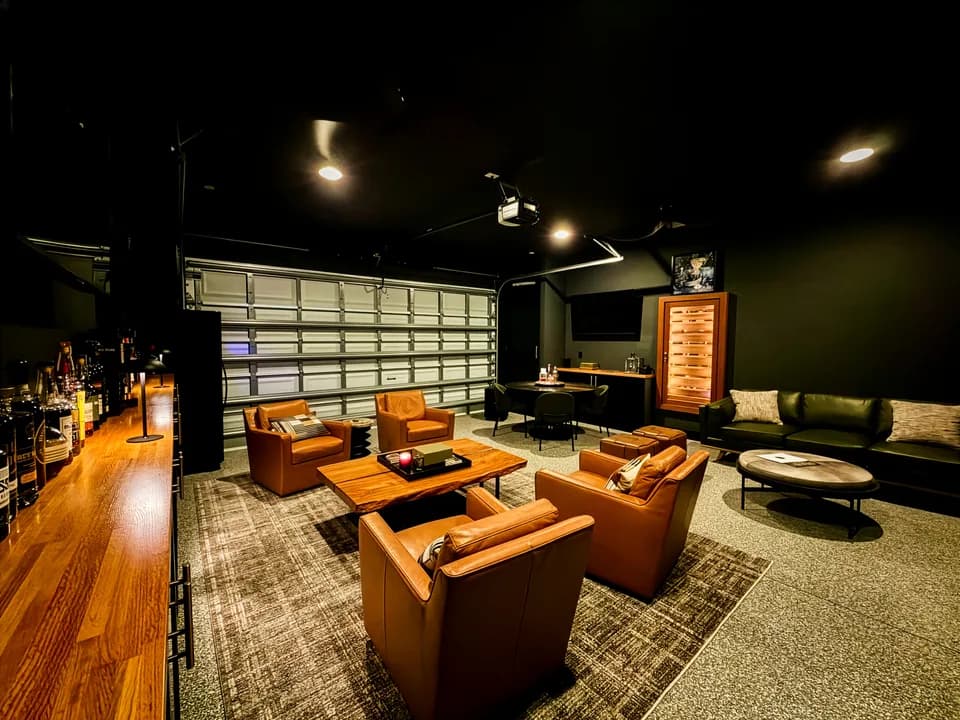
What is your own go-to cigar and pour?
I’d reach for a Padrón 1964 Anniversary Series. With that, I’d ideally pair George T. Stagg, or if not, a glass of Weller Full Proof.
What's next for Vigilant?
I’d like us to get the call a little earlier on more projects honestly. If the designer is still drawing the bar or the lounge, we can work out where the humidor or wine cabinet fits and how somebody will get to the equipment when it needs service. That’s what we are primarily working towards – more business-to-business collaboration early on.
A lot of people come to us much later than we would like to be involved, we have a very robust capability to design our products to integrate perfectly into any aesthetic, it’s just much easier to do when we are involved earlier on. As we continue to work with higher end clientele, who’s projects command this level of integration, it’s only going to become more important to involve Vigilant early.