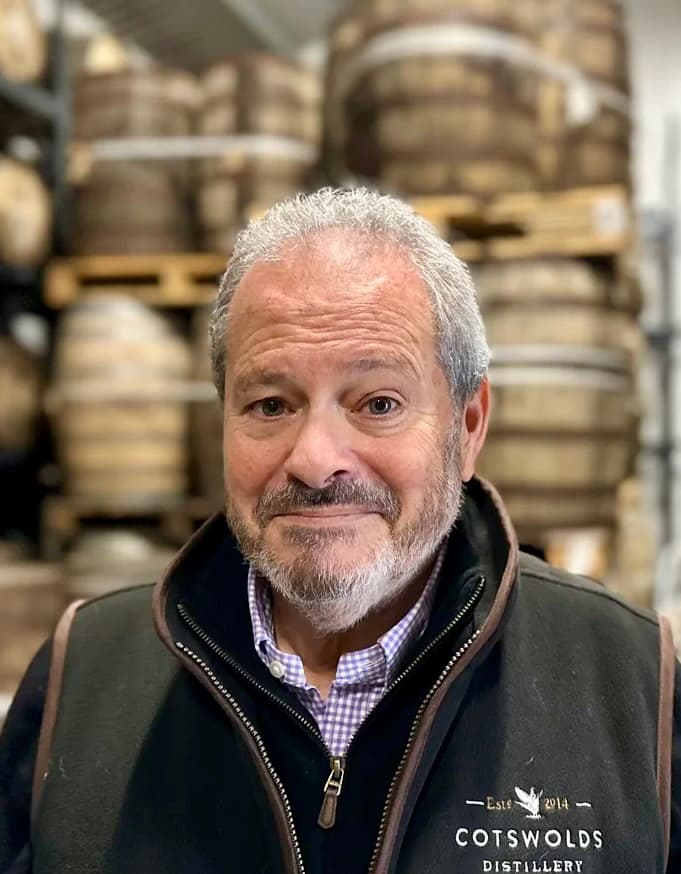
How did you get into winemaking, and what brought you to Millbrook in 2021?
Wine has been part of my life since the beginning. When I was a baby, my father and his cousin planted a vineyard in California's Anderson Valley. My family moved back and forth between New York and California several times when I was growing up, and the time we spent in California was on the vineyard, where I soaked up the comings and goings of vineyard life.
Years later, after college, I moved back to California to work for AmeriCorps. When that position ended, I found myself without a job and took a harvest position at St. Francis Winery. There I worked alongside talented UC Davis graduates who were determined to become winemakers, and I caught the bug.
That first harvest set me on a path through some of the world's great wine regions: Sonoma County, the Sonoma Coast, the Russian River Valley, the Anderson Valley, the Willamette Valley, and New Zealand. Most of that time was spent working with Pinot Noir, which taught me how deeply a wine can reflect the place it's grown.
When COVID hit, I found myself wanting a change. I knew people at Williams Selyem, which shares an owner with Millbrook, and when the opportunity came up here, the timing was right. Coming to Millbrook felt like a homecoming of sorts, bringing together the two places I grew up between: New York and California's wine country. In the Hudson Valley, I also found a new grape to fall for: Cabernet Franc, which, much like Pinot Noir, can be powerful and refined or bright and delicate, depending on the site and the year. It's been a wonderful five years so far.
Millbrook was the first Hudson River Region vineyard dedicated to vinifera. What does carrying that legacy mean to you?
It's both an honor and a responsibility. When John Dyson planted vinifera here in 1982, plenty of people doubted these grapes could thrive in the Hudson Valley. Every vintage since has proven what this region can do, and I feel a real duty to honor that vision while continuing to push it forward.
For me, carrying the legacy means two things. First, staying true to the vineyard. We still farm with the same sustainable practices established from the very first vine, because great wine starts there. Second, continuing to explore. Projects like our single-clone Cabernet Franc bottlings are our way of asking the same question John asked in 1982: what else can this place do?
Recognition like our 2024 Clone 623 Cabernet Franc being named Best Red at the New York Wine Classic feels like a tribute to everyone who came before us. Our job now is to make sure the next 40 years are even better than the first.

What's the biggest challenge of making world-class wine in the Hudson Valley's climate?
The biggest challenge is that no two years are the same. In the Hudson Valley, we deal with cold winters, the risk of spring frost, humid summers that bring disease pressure, and rain that can show up right at harvest. This fall, we picked hard to bring in fruit ahead of a major storm. Every vintage asks something different of us.
Meeting that challenge starts in the vineyard. Our west-facing hillside gets good sun and lets cold air drain away, and careful canopy work keeps the fruit healthy through humid stretches. Choosing the right grapes and clones for our site matters just as much, which is part of why we grow three different clones of Cabernet Franc.
In the cellar, it means listening to each vintage instead of forcing a style. A warm, dry year like 2024 gave us riper, more powerful wines, while other years call for something lighter and more delicate. That variability is what makes the Hudson Valley so challenging, and also what makes it so rewarding. When everything comes together, the wines have a freshness and sense of place you can't fake.
Which Millbrook wine best represents the vineyard, and why?
For me, it's Cabernet Franc. It's been growing on our hillside for about 30 years, and it's the grape that feels most at home here. It survives our winters, handles late-season rain better than most red varieties, and naturally makes wines with bright acidity and gentle tannins.
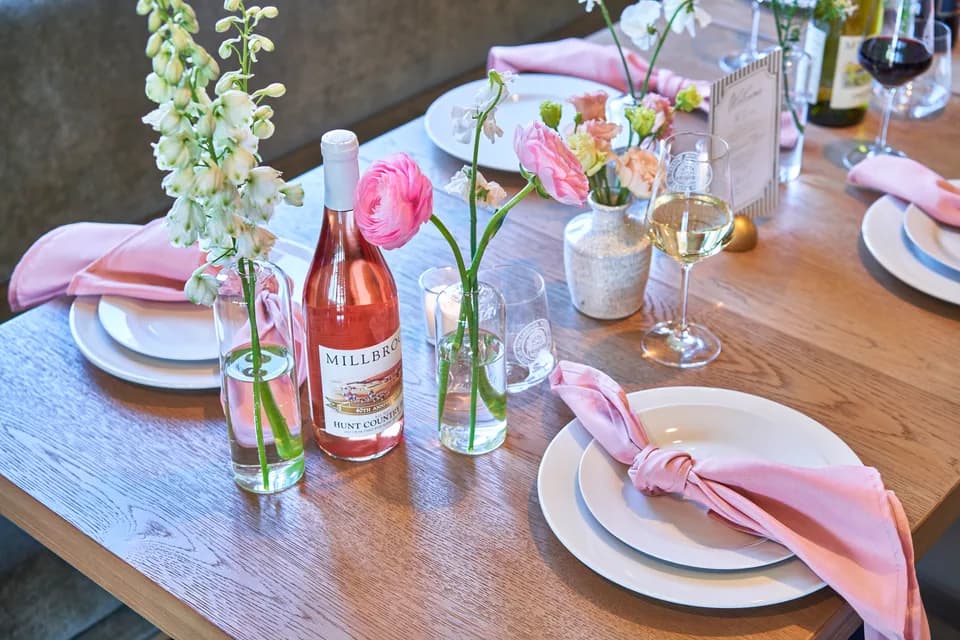
What makes it so special is its range. In 2024 alone, we made five different Cabernet Francs: a Cabernet Franc rosé, our New York State Cabernet Franc, our Proprietor's Special Reserve, a single-block wine from Block Three East, and a single-clone bottling. Each one shows a different side of the grape and the vineyard, from bright and refreshing to deep and structured.
Seeing our single-clone Cabernet Franc named Best Red and Best Cabernet Franc at the New York Wine Classic confirmed what we've believed for a long time: Cabernet Franc can be the Hudson Valley's signature red, and our vineyard is a great place to show it.
What's one thing you changed or added in the cellar when you arrived?
There have been many changes, but most of them have been subtle. Millbrook's original winemaker, John Graziano, did a tremendous job building the winery's reputation over the early years, so my goal has been to refine rather than reinvent.
The biggest shift has been focusing on quality over quantity. We're reducing our production, buying grapes only from top-notch growers, and putting our energy into making fantastic wines rather than making as many as we can.
Our focus is clear: to make the best Vitis vinifera wines in New York State, year in and year out. When the right vintage allows, we add new wines to our lineup, like our single-block and single-clone Cabernet Francs. In everything we do, we're continuing Millbrook's tradition while refining it.
Walk us through a day at harvest. What does it actually look like?
Harvest days start early, often before sunrise. The first thing I do is check the weather. In the Hudson Valley, a coming storm can change the whole plan for the day.
By first light, our crew is in the vineyard picking while it's still cool, which keeps the fruit fresh. Meanwhile, I'm walking the rows and tasting grapes, deciding which blocks are ready and which need a few more days. Those picking decisions are some of the most important calls of the year.
As the fruit comes in, the cellar comes alive. White grapes go straight to the press, while reds get sorted and moved into tanks to ferment. Throughout the day, we're punching down fermenting reds, checking sugar levels, and running lab work to track how every tank is progressing. On many days, trucks also arrive with fruit from our growers on Long Island or in the Finger Lakes, sometimes late into the evening.
And then there's cleaning, constantly. Winemaking is about 90% cleaning. By the time the last tank is checked and the presses are washed, it's often well after dark. It's exhausting, but it's also the most exciting time of the year. Everything we work toward comes down to those few weeks.
Younger drinkers love natural and low-intervention wine. Where do you land on that movement?
I'm for whatever brings new drinkers into wine, whether that's zero-zero wines, low-alcohol wines, or no-alcohol wines. This was my 21st harvest, and it would be easy to pretend that only my opinions count. But the truth is, I don't want to be a gatekeeper of wine.
Plenty of younger guests ask me about orange wines, wines without added sulfites, and low-alcohol options. At the same time, I see many of them reaching for classic Chardonnay, rosé, and Cabernet Franc. There's room for all of it.
We don't make a no-alcohol wine, because it takes far too much intervention and additives I don't want in our wines. Instead, we brought back an age-old style called piquette. We don't make a lot, but at around 5% alcohol, it's light, refreshing, and super fun to drink in the summer and fall.
What do you wish more people understood about Cabernet Franc?
That it's so much more than a blending grape. For years, most people only knew Cabernet Franc as a supporting player in Bordeaux blends, and some still think of it as green or herbal. In the right place and the right hands, it's one of the most expressive and versatile red grapes in the world. It's even a parent of Cabernet Sauvignon and Merlot.
I also wish people knew how much range it has. In 2024 alone, we made five different Cabernet Francs, from a bright, refreshing rosé to deep, structured single-block and single-clone wines. Few grapes can do all of that.
And it ages beautifully. Many people don't think of buying New York reds to cellar, but well-made Cabernet Franc gains complexity and finesse over time. I've tasted older Millbrook vintages that are drinking wonderfully today. If you love wines from France's Loire Valley, or elegant reds with freshness and balance, Cabernet Franc deserves a place on your table and in your cellar.
How is climate change affecting your harvest timing and grape choices?
I have not had enough time here in the Hudson Valley to truly speak on it.
If a reader could visit for just one afternoon, what should they do?
That depends on the kind of afternoon you're after, and that's exactly the point. At Millbrook, we want every visit to feel like your own.
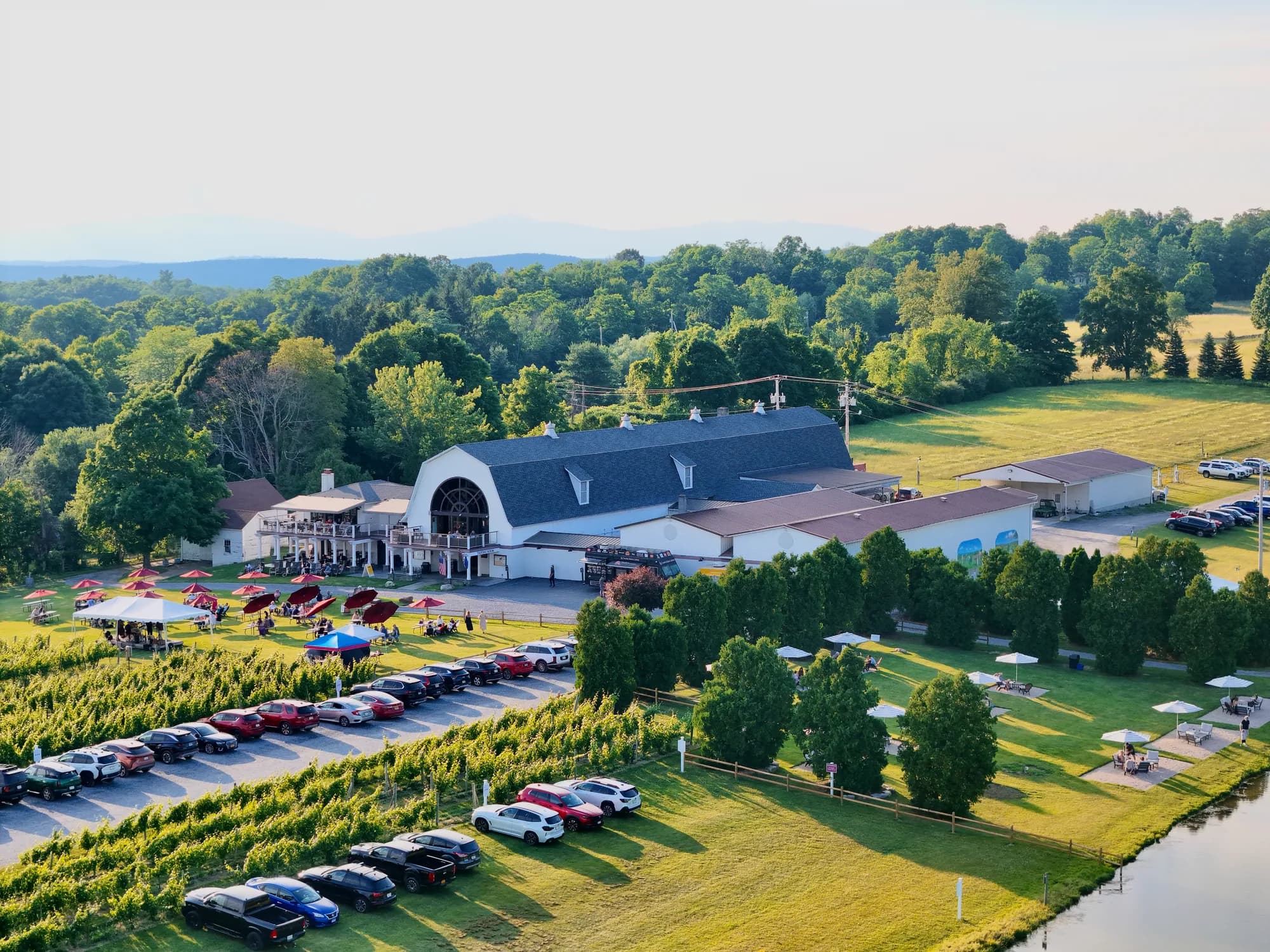
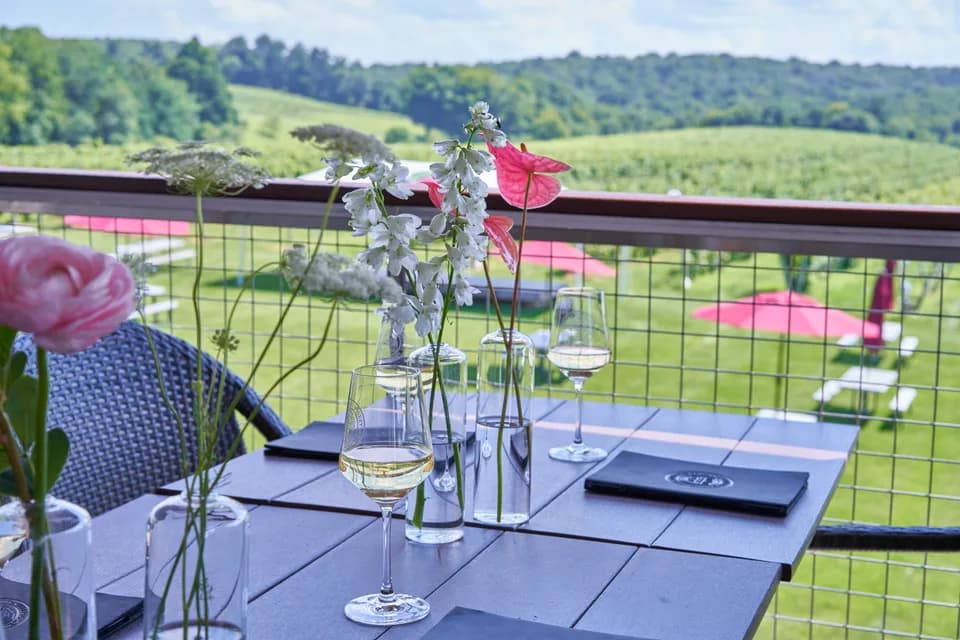
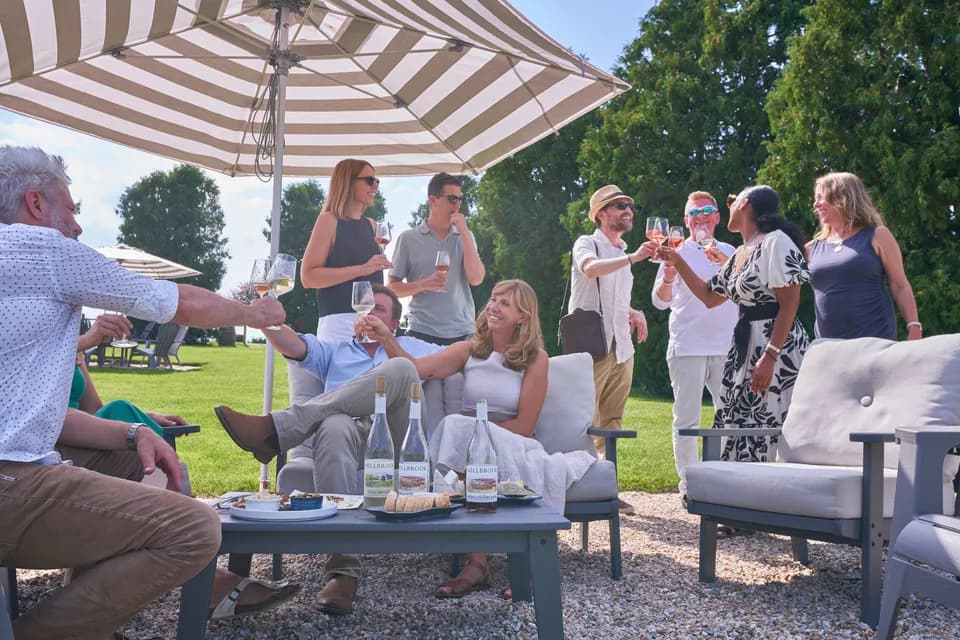
Keep it easy: pack a small picnic, pick up a bottle, and claim one of our cozy seating spots out among the vines. Want to stretch your legs? Follow our vineyard trail up the hillside, where sweeping views reach all the way to the Catskill Mountains. Or pull up to the bar in our downstairs tasting room for a laid-back tasting, where our team loves sharing the stories behind the wines and the winery's history.
Or make it an occasion. Book a reserve tasting in our new Overlook Room or out on the terrace, where you'll settle in for a private, seated experience of six wines paired with food, with our 35-acre vineyard stretched out before you.
What wine are you drinking at home when it's not your own?
White Burgundy. Its breaking my bank but i love it!