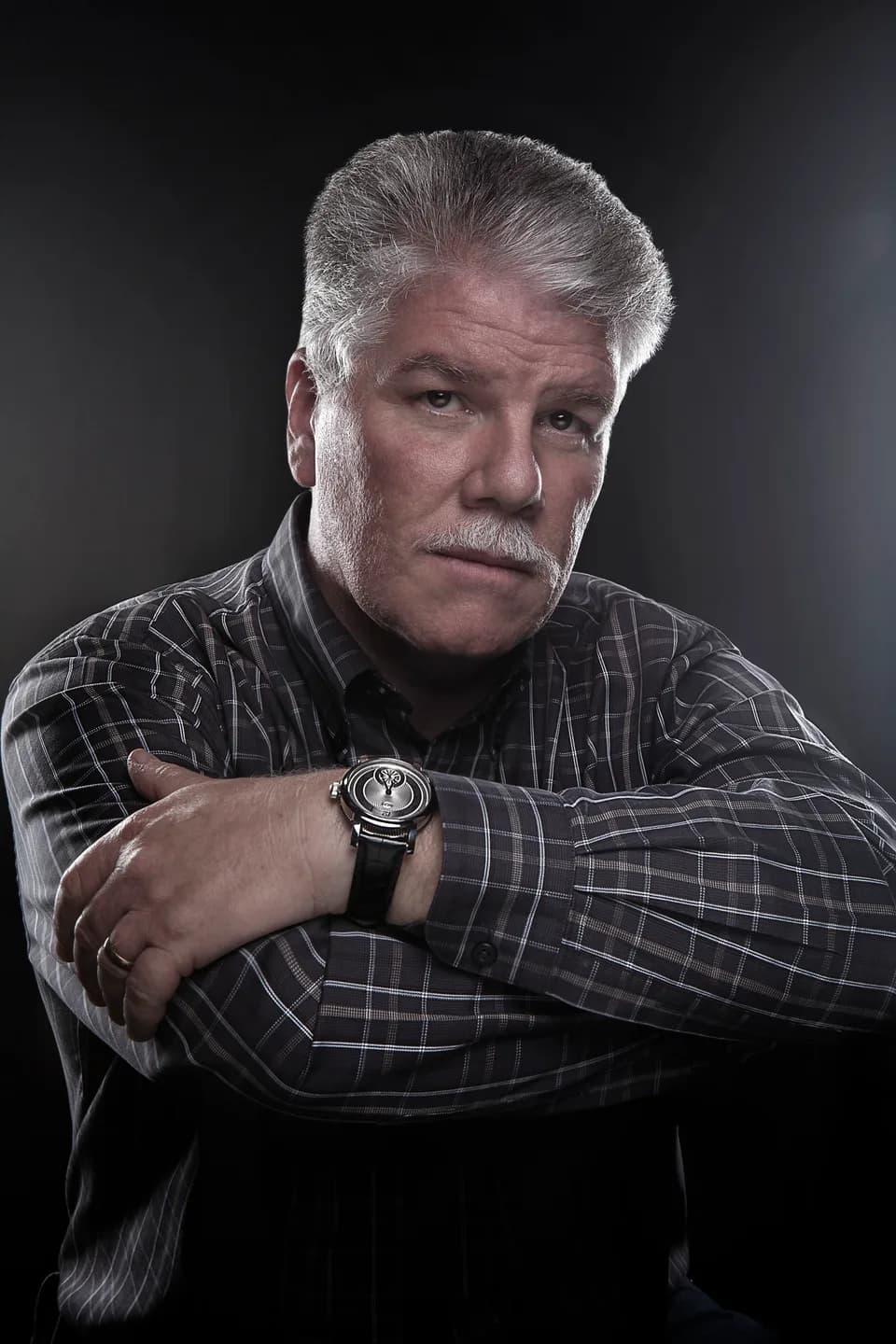
Roland, what first drew you to watchmaking, and when did you know you wanted to build your own brand?
When I was working at a small factory that manufactured grandfather clocks, the company went bankrupt, and many of its assets were put up for sale. My father and I purchased several items, including cabinets and clock movements. I assembled some of the cabinets, fitted them with German clock movements, and sold the finished clocks.
During this time, I became increasingly fascinated by the movements themselves. I would set one up on a table with a hole cut into it so the weights could drop through, allowing me to sit and study the mechanism and understand how everything worked. Eventually, I decided to take a movement completely apart and put it back together again. When it actually worked, that was the moment I was hooked on horology!
A friend told us about Bowman Technical School in Lancaster, Pennsylvania, where I began my formal training in clockmaking and watchmaking. After completing my studies there, I went to W.O.S.T.E.P. in Neuchâtel, Switzerland, in 1986 to further my education.
Following my studies in Switzerland, I returned to Lancaster and joined SMH (now the Swatch Group), working in product development for the Hamilton watch brand. After five years with Hamilton, I decided it was time to take the next step. In 1992, I founded RGM.
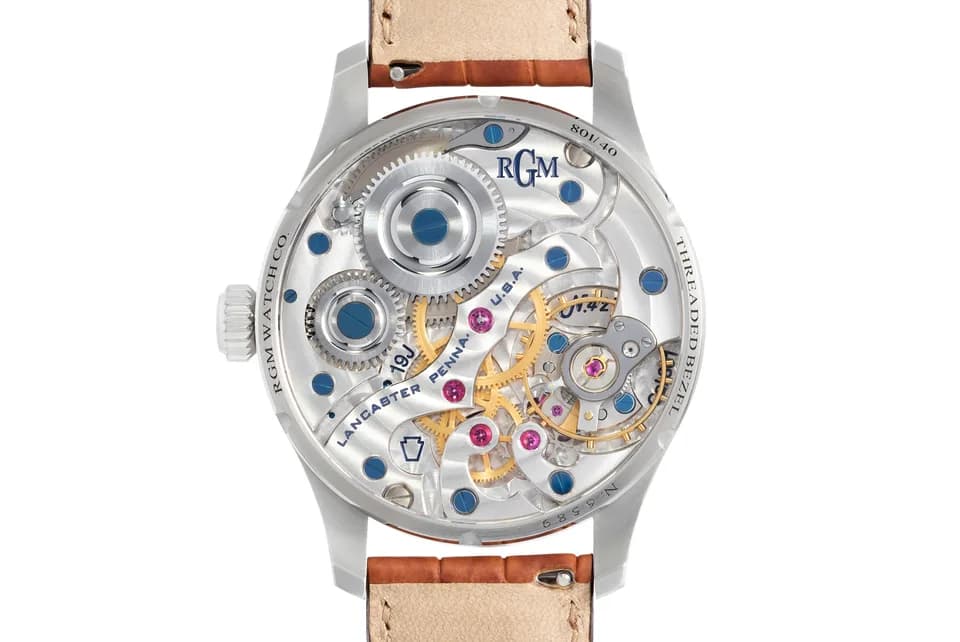
RGM builds in-house movements in Pennsylvania. Why was it important to you to make watches in America, from the movement up?
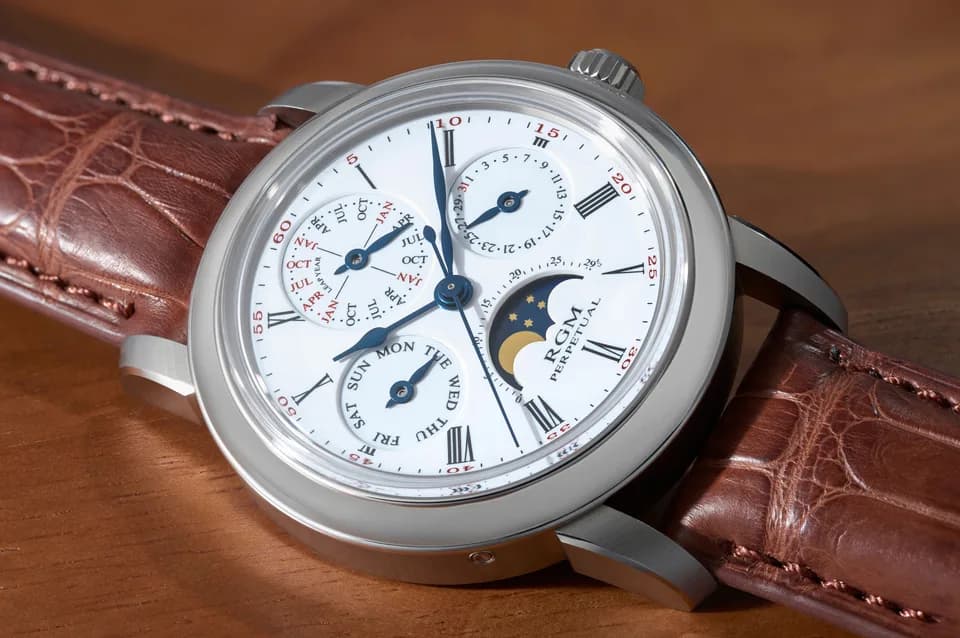
As a watchmaker, it was a natural progression for me to want to develop our own in-house movement. This was important to me, not only from a business standpoint, but also as a personal achievement. The idea first began taking shape around 2000, and in 2007 we introduced our first watch featuring an entirely in-house movement.
That movement was our Caliber 801, which will celebrate its 20th anniversary in 2027. Since then, we have developed four different in-house movements, and we're currently working on another. It's been a very rewarding journey to see that original idea grow into what RGM has become today.
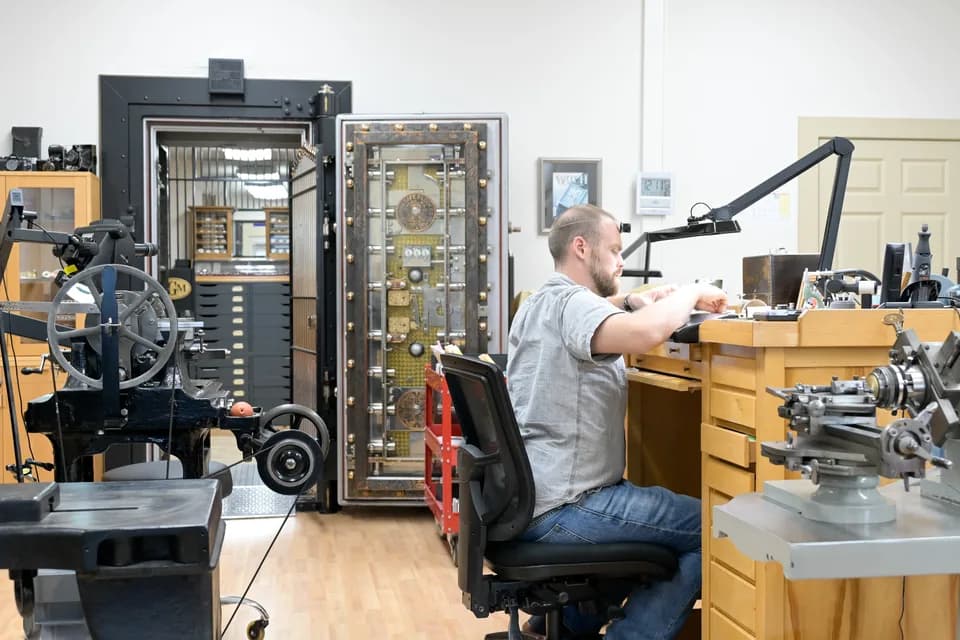
You use antique machines in the workshop. Which one is your favorite, and what can it do that modern machines can't?
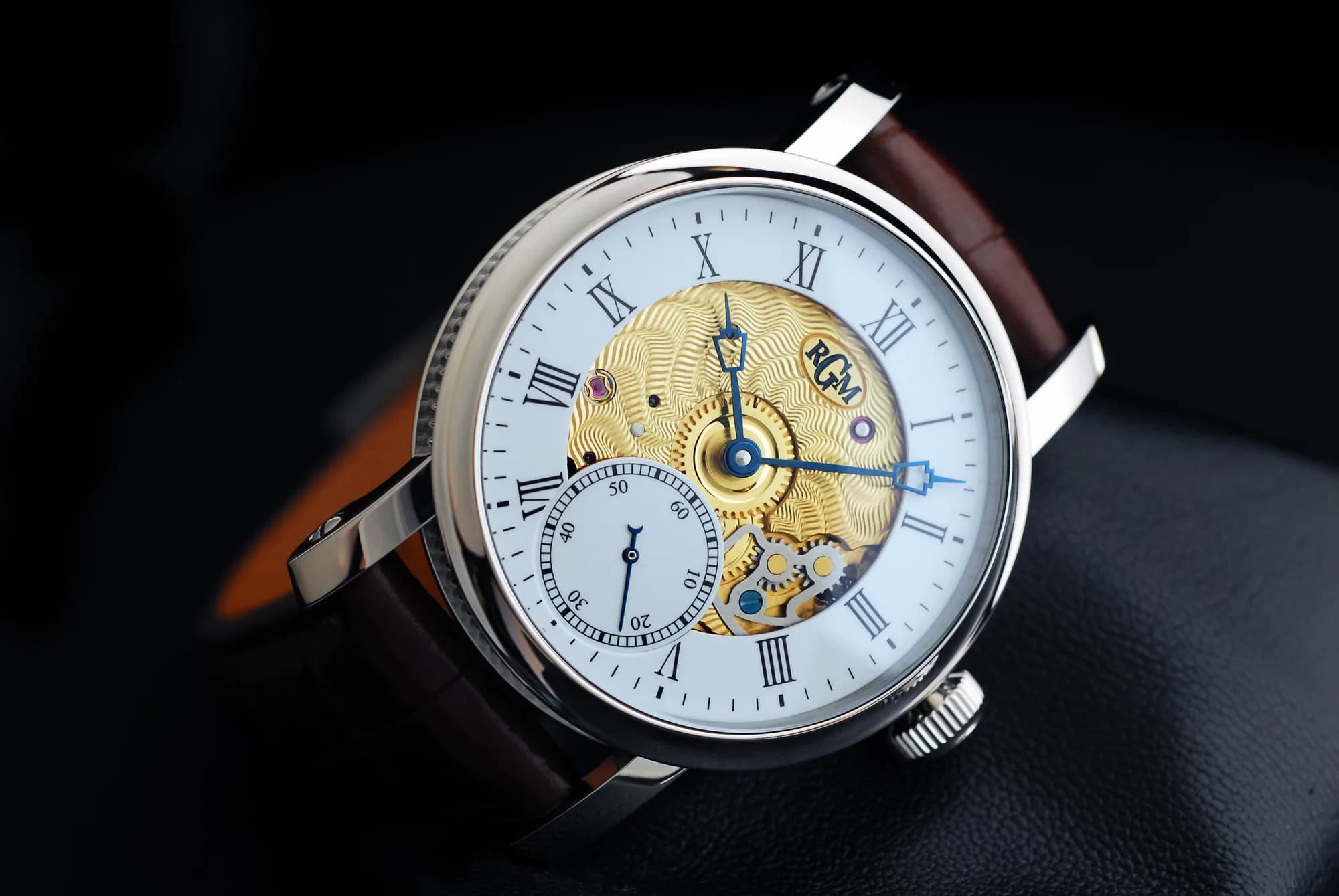
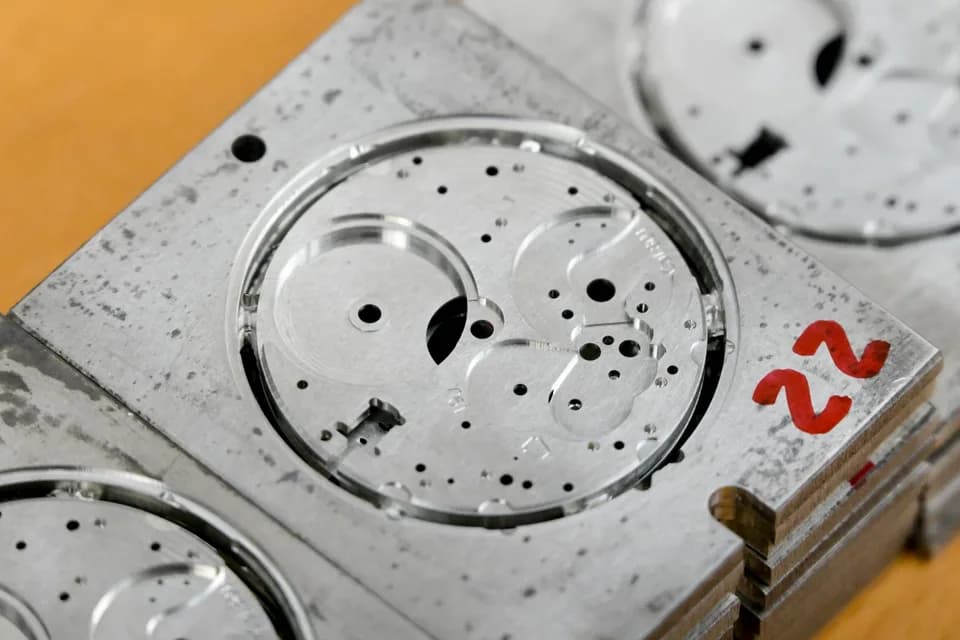
One of my favorite machines is my Plant rose engine, or guilloché machine, dating from the 1930s. It's a compact machine, and it's a real pleasure to use. It allows us to create beautiful geometric patterns, which we primarily use on our watch dials.
Because the work is done by hand, using a hand-cranked machine, each dial is slightly different. I really enjoy that aspect of the process. It's one of the many ways we preserve the human touch and individuality that go into every RGM watch.
How long does it take to make one RGM watch, from raw metal to finished piece?
That's difficult to measure precisely because some components are produced in batches while others are made individually. However, on average, the process of making an RGM watch with an in-house movement takes more than 18 months from start to finish.
What is guilloché, and why does hand-turned decoration still matter in 2026?
Guilloché, also known as engine turning, is one of the most beautiful and technically demanding decorative arts in traditional watchmaking.
What makes it particularly special is that the patterns are not simply printed, stamped, or embossed onto the metal. They are physically cut into the surface using precision machinery, creating genuine ridges and valleys that interact with light.
There are two principal techniques:
Rose engine turning: Produces intricate, often symmetrical geometric patterns such as barleycorn, sunburst, rosette, and basket-weave designs.
Straight-line engine turning: Creates precisely spaced linear patterns, including horizontal, vertical, and intersecting lines.
Why genuine guilloché is so special
1. Depth: The cutting tool physically removes material, creating three-dimensional texture.
2. Light reflection: The tiny facets catch and reflect light differently as the viewing angle changes.
3. Craftsmanship: Each pattern requires considerable operator skill, careful setup, and precise control.
4. Individual character: Subtle variations give traditionally engine-turned surfaces a distinctive handcrafted quality.
Perhaps most importantly, genuine guilloché represents a connection to an era when watchmaking was as much an art form as an exercise in precision engineering.
It is one of those details that separates a beautifully manufactured watch from a truly exceptional piece of horological craftsmanship.
Which RGM watch are you proudest of, and what is the story behind it?
For me, watches are a little like children: I don’t have a favourite. That said, our in-house models certainly demand the most time and attention, making them a significant part of my design work. The watch I think about most, however, is the one that hasn’t been made yet. It’s the one that occupies my thoughts, fuels my creativity, and keeps me looking ahead. I can’t wait to bring it to life.
What does it take to train a watchmaker today, and where does the next generation come from?
Like building a watch, becoming a skilled watchmaker takes time, patience, and years of dedication.
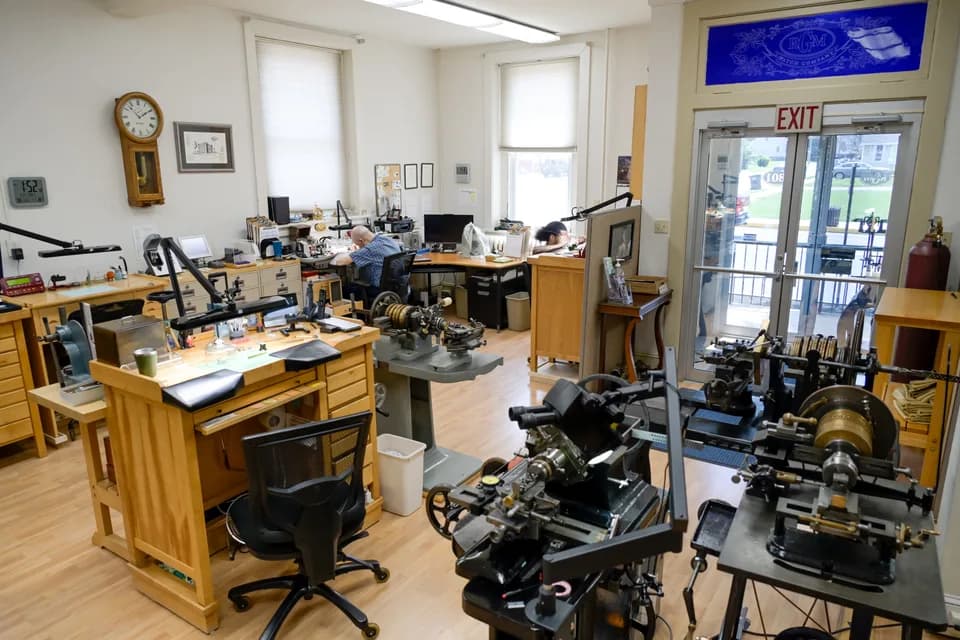
Finding and training watchmakers who have the skills needed to build our watches is an ongoing challenge. These craftsmen are not easy to find, and replacing their knowledge and experience is even harder.
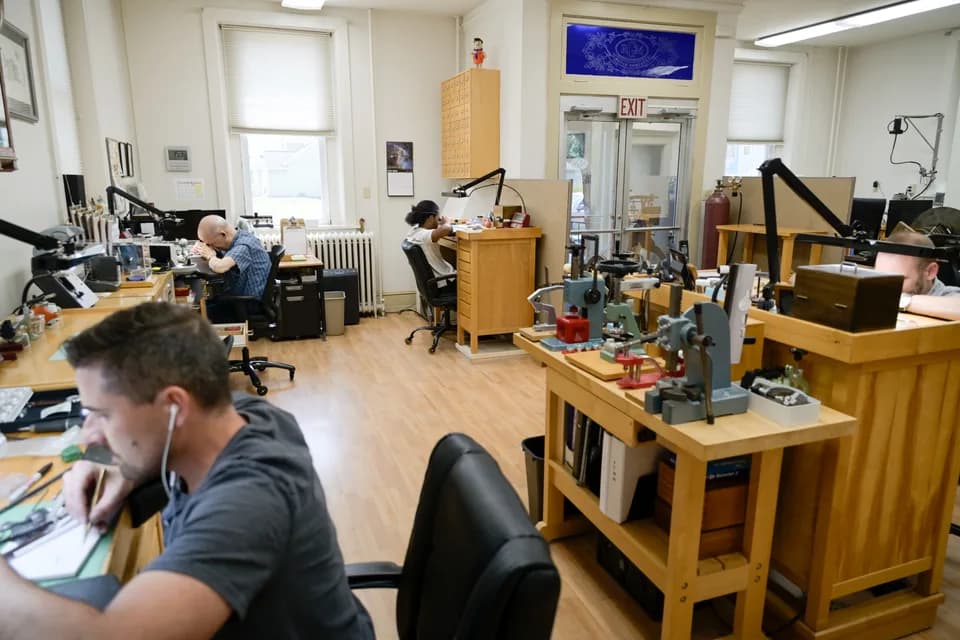
At RGM, we try to start with watchmakers who have graduated from a watchmaking school. From there, they continue to develop their skills and learn on the job, working alongside our experienced team.
Watchmaking schools play an incredibly important role in our industry. They help develop and prepare the next generation of watchmakers, ensuring that these skills and traditions continue into the future.
The future of watchmaking depends on the people we train today.
Younger collectors, millennials and Gen Z, are buying mechanical watches in record numbers. What are they looking for?
I have always focused on traditional, classic watchmaking. As you have seen, our watches are very much rooted in timeless design. I believe that is one of our greatest strengths: a well-designed classic watch never really goes out of style.
I appreciate the many different approaches to watchmaking, and I respect what others are doing, but we prefer to stay true to our own philosophy and do what we do best.
I must admit that I am probably not the best person to ask about what younger collectors are looking for today. However, I believe that, with time, many will come to appreciate the beauty of traditional watchmaking and the lasting appeal of timeless design. Trends come and go, but good design endures.
Our readers love whisky and cigars. What do a great watch, a great dram and a great cigar have in common?
Time is the common thread between watchmaking and whiskey. Both demand patience, precision, craftsmanship, and a willingness not to rush the process.
A fine watch measures time, while a fine bourbon or whiskey benefits from it. And in both crafts, true excellence cannot be hurried.
Some things are worth waiting for.
What's the hardest part of running an independent watch company in the United States?
I think one of the biggest challenges of running a small business is that you're constantly switching between being the visionary, the decision-maker, and the problem-solver.
Having lots of ideas is a strength, but finding the time and energy can be a challenge on some days.
What watch are you wearing today, and why?
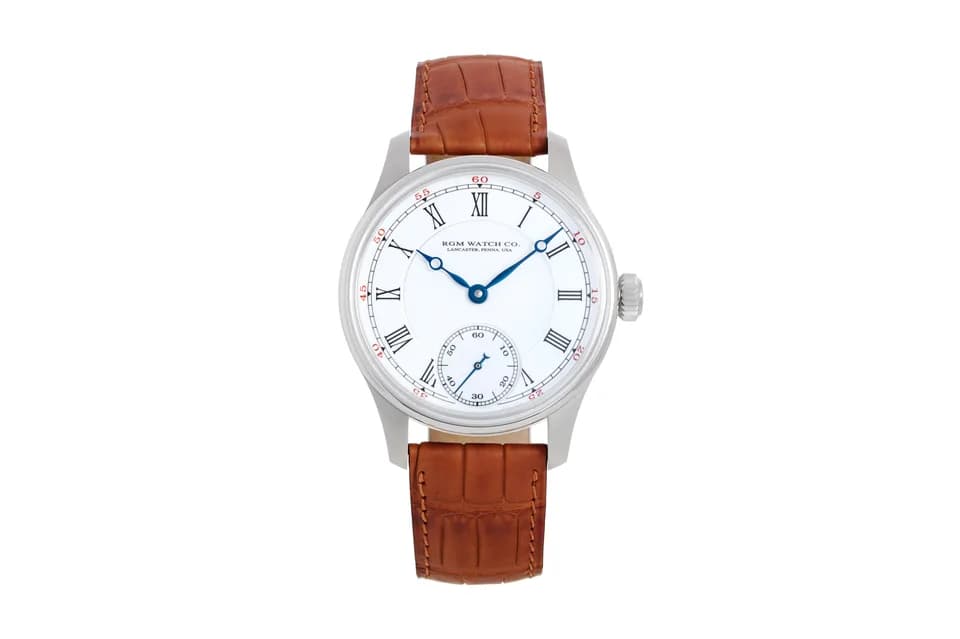
I am wearing our Model 801/40-CE "Classic Enamel." I wear this watch a lot because of the size and the beautiful classic dial inspired by a 1890s pocket watch.
What's next for RGM?
We are working on another in-house movement and hope to show it in 2027, the 20th anniversary of our first in-house movement.