You're an American who left a finance career to build a distillery in the English countryside. What made you take that leap?
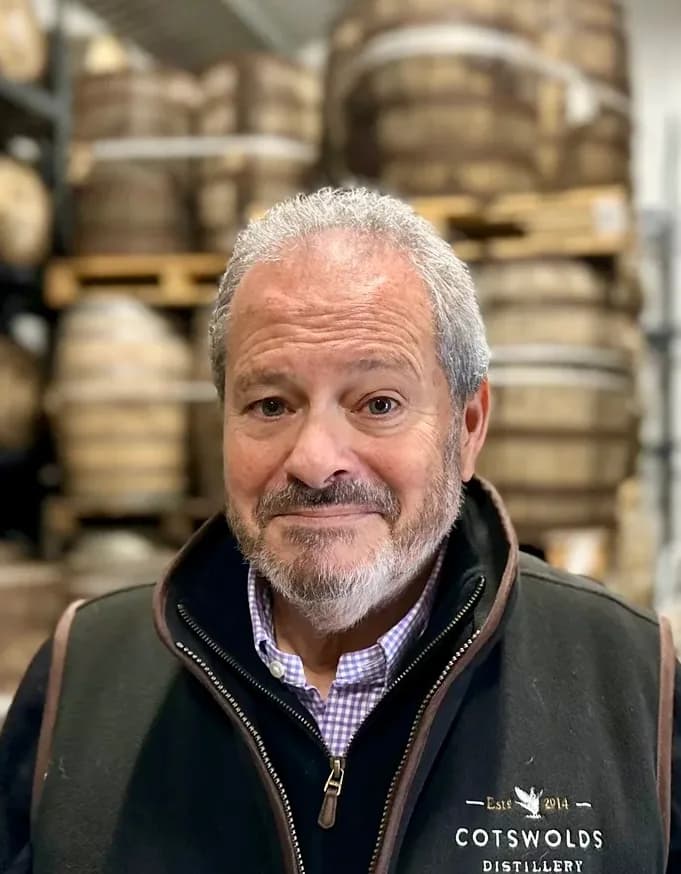
After nearly thirty years in finance, I wanted to make something I could touch, smell, taste and share with people. Whisky had become a passion while I was living in France, and the Cotswolds was where I wanted to spend more time with my family. The distillery brought those two things together. There was certainly a leap of faith involved, and probably a useful amount of ignorance about just how difficult it would be!
Why the Cotswolds, and why English whisky when Scotland is right there?
The Cotswolds was already home, and looking out at the barley growing around us, I wondered why nobody was turning it into whisky. It’s a beautiful agricultural region with a strong tradition of making things well. Scotland was an enormous inspiration, and we benefited hugely from Scottish expertise. But I felt we had the ingredients and the opportunity to make something with a character and a sense of place of its own.
What has English whisky proven to the world in the last decade?
That England deserves a place at the whisky table. We’ve moved from having to explain that English whisky exists to having serious conversations about its quality and individuality. The diversity is particularly exciting: different producers are finding their own voices. Awards help, of course, but the real achievement is when someone tastes your whisky, enjoys it and buys another bottle. That’s how a category earns its place.
Cotswolds is known for both gin and single malt. Which came first, and how do they influence each other?
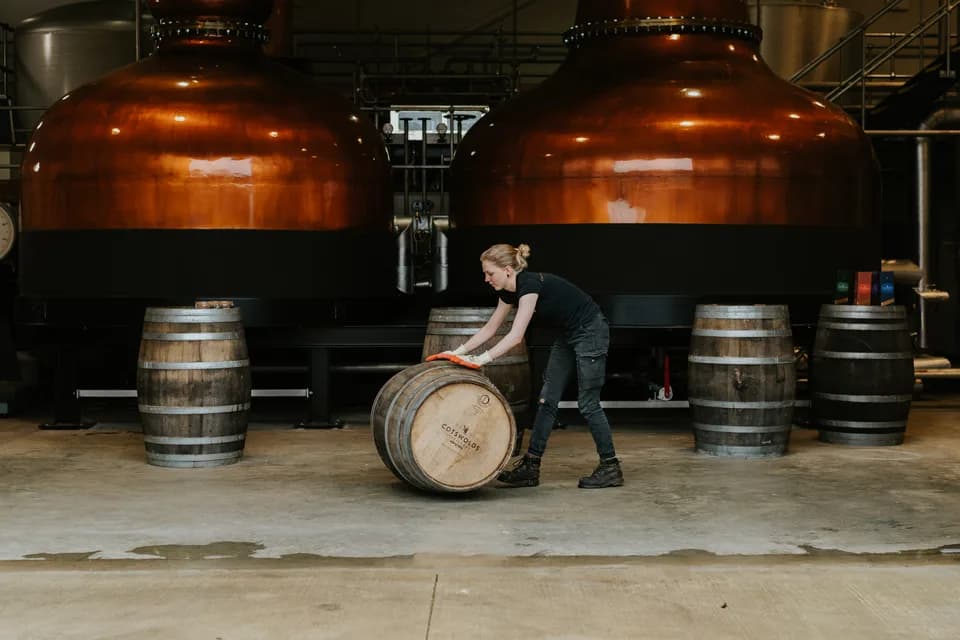
Whisky was the original dream, but gin was the first bottle we could put into people’s hands. We began distilling in 2014 and released our first single malt in 2017. The gin quickly became something we were enormously proud of in its own right. Both share the same approach: generous flavour, good ingredients and care in how we make them. Gin has also introduced a great many people to the distillery who have subsequently discovered our whisky.
You recently came back to running the company day to day. What brought you back, and what's your focus now?
I care deeply about this business, and felt I could make a useful contribution by being more closely involved again. We have a very capable team, wonderful spirits and a place people love visiting. My focus is on turning those strengths into a sustainable, profitable business: giving our Signature Single Malt the attention it deserves, supporting the team and developing the distillery as a destination. It’s about being clear on what we do best and disciplined about where we put our energy.
What does a US launch look like for an English whisky brand?
America is particularly meaningful to me as a native New Yorker, but it’s a market you have to approach with patience. We already have a presence there, so the task is to build on it, market by market. You need committed distribution partners, retailers and bartenders who enjoy telling your story, and plenty of opportunities for people to taste. English whisky still prompts curiosity. Our job is to turn that curiosity into a second purchase.
Which Cotswolds bottle should an American try first?
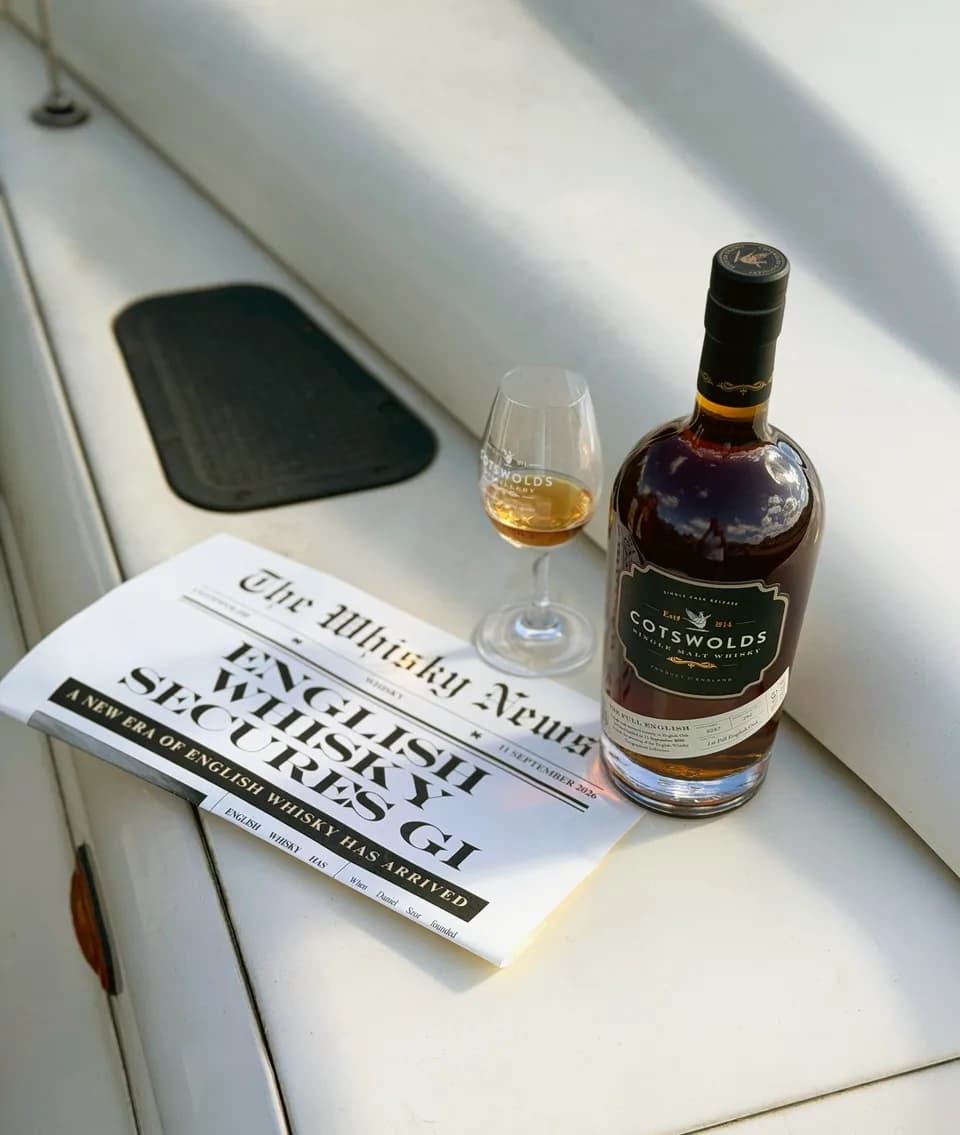
Our Signature Single Malt, without hesitation. It’s the clearest expression of what we set out to make: rich, fruity, generous whisky with real depth. The bourbon and red-wine casks bring a lovely combination of honey, fruit and spice. There’s something familiar for a bourbon drinker, while still being very much a single malt. It’s the bottle I’d pour first if you came to visit.
How do you make whisky approachable for Gen Z and millennials without dumbing it down?
By being welcoming and remembering that nobody needs to pass an exam to enjoy a drink. For younger adults of legal drinking age, I’d start with flavour, the people who make it and where it comes from. Let people try it neat, with water, over ice or in a cocktail. The detail is there when they want it. Enthusiasm opens far more doors than telling someone they’re drinking it incorrectly.
What role does local barley and farming play in your whisky?
Local barley was the starting point for the whole idea, so it’s fundamental. We use Cotswolds-grown barley, traditionally floor-malted, and that gives us a direct connection to the agricultural landscape around us. I wanted to make something that belonged here. The farmers and maltsters are part of that story, just as much as the distillers. Having Cotswolds on the label should mean something about what’s in the bottle.
Gin had a huge boom. Where do you think it goes next?
I think the next chapter will be about earning loyalty. There will always be room for discovery, but people need a reason to return to a particular gin once the novelty has worn off. For me, that means distinctive flavour, consistent quality and a good drinking experience. A beautifully made gin and tonic remains a wonderful thing. Producers who deliver that reliably have something worth building on.
What's the best cigar or food pairing with your whisky?
On the food side, I’d suggest a good mature Cheddar with our Signature Single Malt. The savoury richness of the cheese works beautifully with the whisky’s fruit and sweetness, and it feels very appropriate to where we come from. Dark chocolate is another lovely option. I like pairings that are easy to put together and leave you plenty of time to enjoy the company.
What advice would you give someone thinking about leaving a corporate career to start a craft business?
Choose something you care about enough to keep going when it becomes much harder than you expected. Then spend at least as much time understanding how you’ll sell it as how you’ll make it. Give yourself more financial breathing room than you think you need, surround yourself with people who know things you don’t, and listen to them. It can be enormously rewarding, but passion needs a sound business underneath it.