What is the history of Quinta da Côrte, and how did it come to be part of Vignobles Austruy?
Quinta da Côrte’s story goes back to 1814, when the first records of vineyard plantings appeared in the heart of the Douro Valley, in the Cima Corgo sub-region. For generations, the estate was deeply connected to the tradition of Port wine, with its grapes supplying some of the region’s historic Port houses.
In 2013, it became part of Vignobles Austruy, following Philippe Austruy’s discovery of the estate and his vision for its future. He saw something special in its landscape, its old vines and its exceptional schist terroir.
Since then, Quinta da Côrte has developed its own identity, producing both Douro and Port wines while preserving the spirit of the place. For us, it is about respecting what came before, allowing the land to express itself, and carrying its story forward, one harvest at a time.
Tell us about the vineyards at Valença do Douro and what makes this corner of the Douro special.
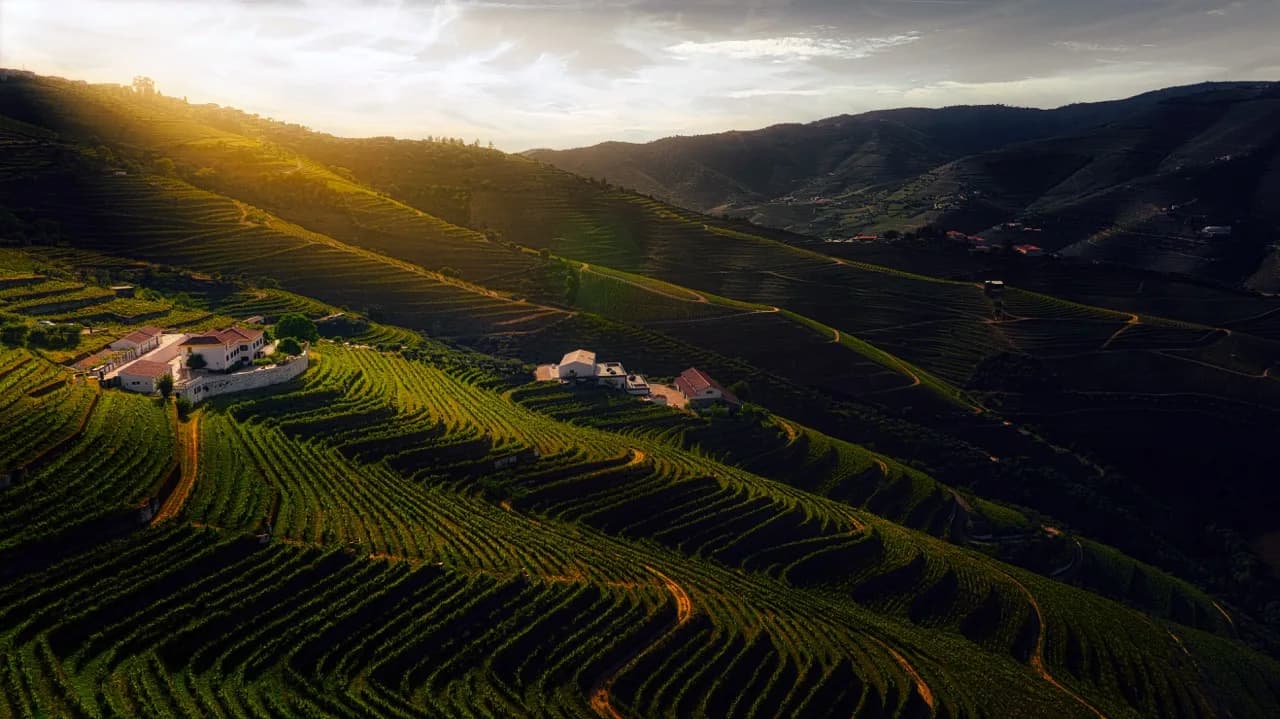
Valença do Douro is a very special corner of the Cima Corgo, where the Douro landscape reveals some of its most striking contrasts: steep schist slopes, traditional terraces, the winding river and a climate shaped by hot and dry summers.
At Quinta da Côrte, we have 26 hectares of vineyards, with an average vine age of around 45 years and more than half of the area planted with century-old vines, some between 90 and 110 years old. These old vineyards are a remarkable heritage, with an extraordinary diversity of indigenous grape varieties, including some of the oldest post-phylloxera plots.
The schist soils, the north-facing exposure and the proximity to the River Torto all contribute to the character of this terroir. The vines have to work hard here, sending their roots deep into the schist in search of water and nutrients. It is a demanding environment, but one that gives the wines their depth, structure and distinctive freshness.
For me, what makes this place truly special is the relationship between the land, the vines and the people who work them. Every slope, every terrace and every old vine tells a story. We try to respect that heritage, working with nature rather than imposing ourselves on it. Ultimately, it is about letting the land speak.
Walk us through how a Quinta da Côrte Port is made, from harvest and treading to ageing.
At Quinta da Côrte, making Port wine is a process deeply rooted in tradition, patience and human craftsmanship.
It all begins in the vineyards where the grapes are carefully harvested by hand, with particular attention to the old vines and the different indigenous varieties that grow together in our traditional field blends. Each bunch is selected before making its way to the winery.
The grapes are then placed in our granite lagares, where one of the most beautiful traditions of the Douro comes to life: foot treading. It is a very precise process, beginning with the corte when the treaders move together in rhythm to gently crush the grapes, followed by the "liberdade" liberty, a more individual and expressive stage that helps keep the skins in contact with the fermenting must. It is both a technical process and a wonderful expression of the human connection to winemaking.
As fermentation begins, colour, aromas and tannins are extracted from the skins. At the right moment, fermentation is stopped by adding grape spirit, preserving the wine's natural sweetness and giving Port its characteristic strength and richness.
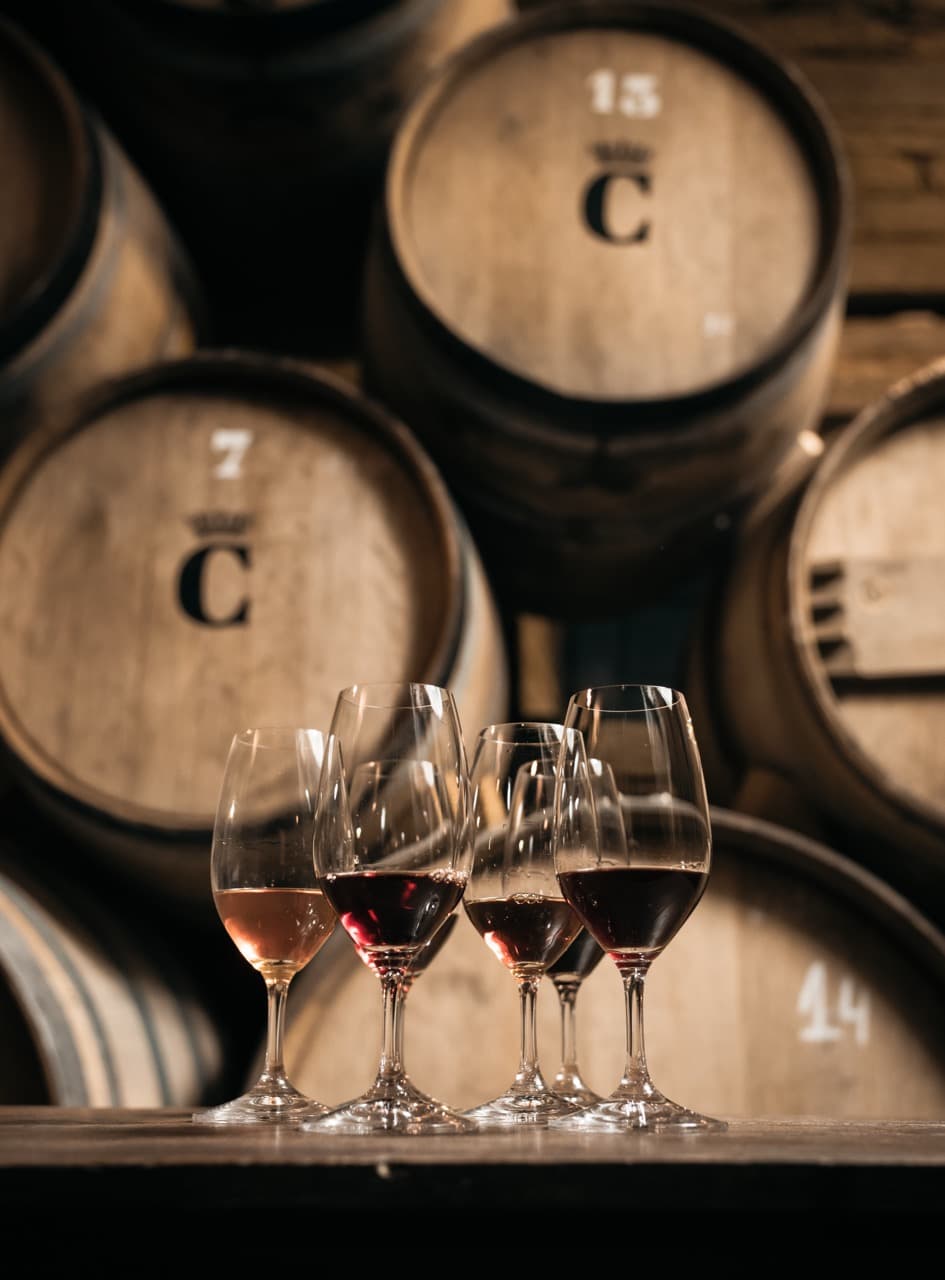
The wine then begins its ageing journey. Depending on the style, it matures in large wooden vats or smaller oak casks, each allowing a different evolution. Vintage Ports are aged for a relatively short period in wood (2 years) before bottling, where they continue to develop over many years. Tawny Ports on the other hand, spend much longer ageing in smaller casks, gradually developing their amber colour and complex aromas of dried fruit, nuts and spices.
What makes this process so special is the balance between tradition and precision. We still rely on methods that have been passed down through generations, because we believe they allow the character of the vineyards and the identity of this terroir to shine through. Every harvest is different, and every Port tells its own story.
Which styles of Port do you make, and how would you explain the differences to someone new to Port?
At Quinta da Côrte, we produce two different styles of Port, each expressing a different side of the Douro. Our range includes Tawny Ports aged for 10, 20 and 30 years, Colheita and Ruby Ports, as Late Bottled Vintage (LBV) and Vintage Port.
For someone new to Port, I would start by explaining the difference between the two main styles: Ruby and Tawny.
Ruby Ports are all about preserving the character of the fruit. They retain their deep colour and vibrant aromas of fresh red and black berries, often with notes of chocolate and spice. Our LBV is a wonderful introduction to this style: rich, structured and approachable, while still offering depth and complexity. Vintage Port takes this expression further, coming from a single exceptional harvest and offering remarkable concentration, elegance and ageing potential in bottle.
Tawny Ports follow a different journey. They spend longer ageing in wooden casks, gradually developing a lighter amber colour and more delicate, complex aromas of dried fruit, nuts, caramel, spices and wood. Our 10, 20 and 30-year-old Tawnies offer different expressions of this evolution. Colheita, meanwhile, is a Tawny from a single harvest, aged in wood rather than blended across different years.
If I had to describe the difference simply, I would say that Ruby is about the energy and intensity of the fruit, while Tawny is about time, elegance and the beauty of slow ageing.
And that is part of what makes Port so fascinating: there is no single way to enjoy it. It can be shared at the end of a meal, paired with food, or simply enjoyed slowly, allowing each glass to tell its own story.
Which Quinta da Côrte wine or Port are you proudest of, and why?
It is difficult to choose just one as each wine expresses a different side of Quinta da Côrte. However, I have a particular affection for our Vintage Ports. There is something truly special about them: each one captures the character of a single exceptional year in the Douro and has the potential to evolve and reveal new layers of complexity over time.
For me, what makes a Vintage Port so fascinating is that it is more than just a wine. It is a reflection of a particular harvest, of the vineyard the people and the conditions of that year. No two vintages are ever quite the same.
I also think there is something deeply moving about knowing that a bottle opened many years from now will still carry a little piece of the Douro as it was in that particular moment.
What traditions of the Douro do you most want to protect, and what are you doing differently?
The tradition I most want to protect is the human connection to the land: the old vineyards, the diversity of indigenous grape varieties, the hand harvesting and the traditional foot treading in granite lagares. These practices are part of the Douro’s identity and deserve to be preserved.
At Quinta da Côrte, we seek to preserve this heritage while embracing a thoughtful approach to the future, respecting the land and allowing the estate to evolve naturally.
Guests can stay at the quinta. What is the experience like, and what should visitors not miss?
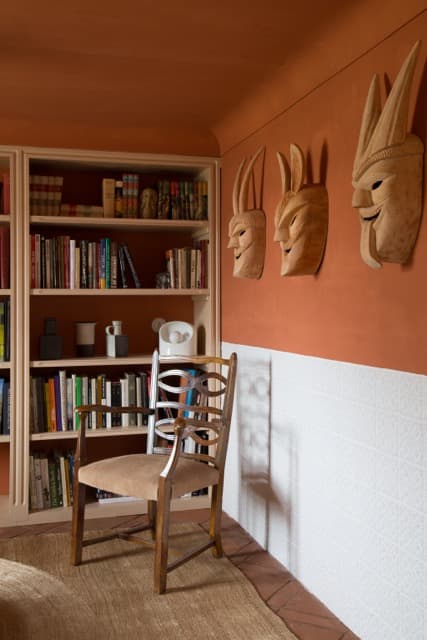
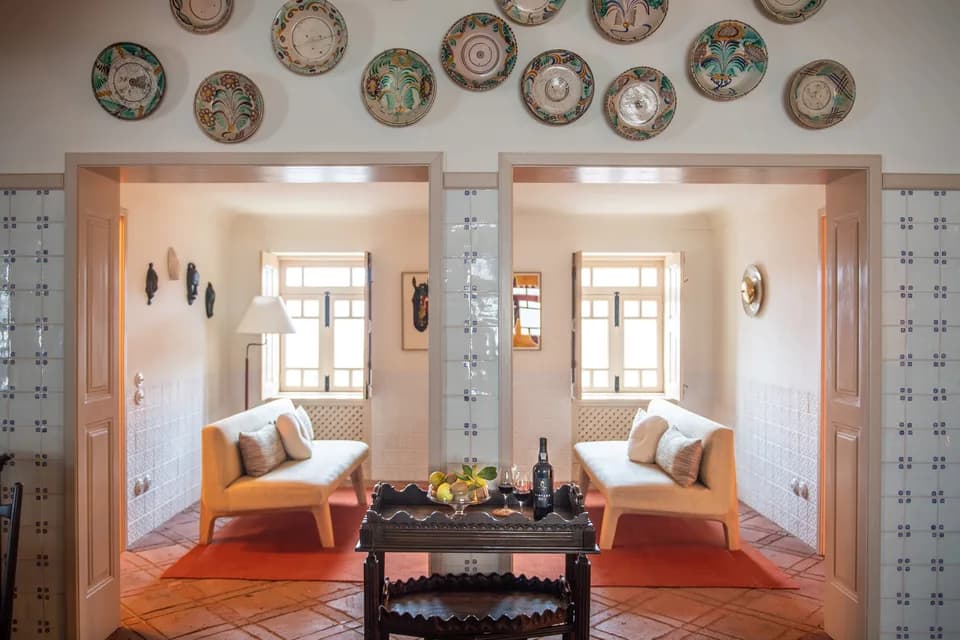
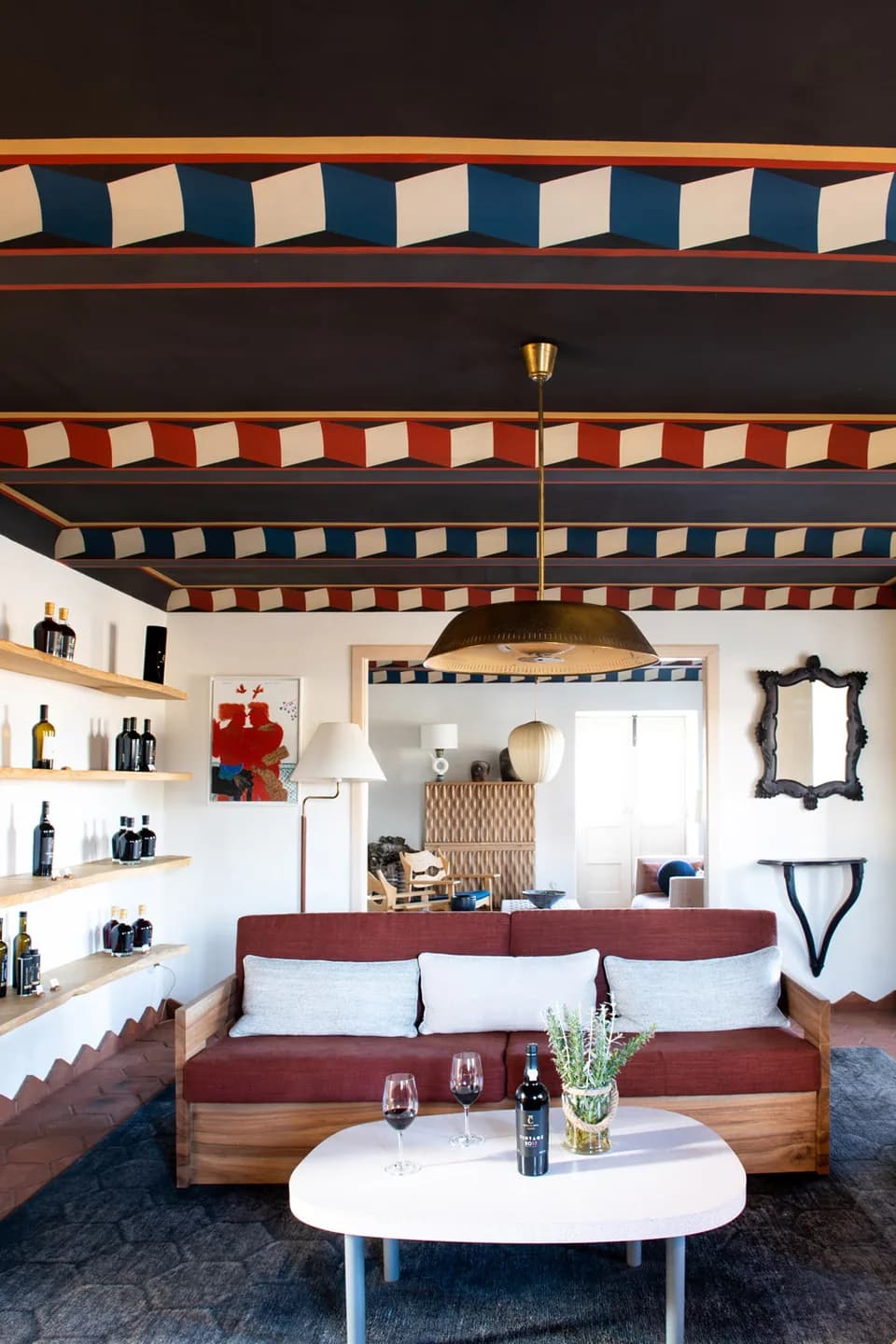
Staying at Quinta da Côrte is about experiencing the Douro at a slower pace, in an intimate setting surrounded by vineyards, wine and the beauty of the landscape. It is a place to feel at home, enjoy genuine hospitality and connect with the rhythm of the valley.
Visitors should not miss a walk through our vineyards, a visit to the winery and, of course, a tasting of our wines and Ports. Above all, take the time to enjoy the views and simply let the Douro speak for itself.
What do people most often misunderstand about Port?
One of the biggest misconceptions about Port is that it is simply a sweet wine, best enjoyed at the end of a meal or on special occasions. In fact, Port is a natural wine, and its sweetness comes from the grapes themselves, as fermentation is stopped before all the natural sugars are converted into alcohol. Its different styles offer great versatility, with many possibilities for food pairing and different moments of enjoyment. Port deserves to be explored, not just saved for celebrations.
Gen Z and millennial drinkers are changing how people discover spirits. How are you reaching younger drinkers, and what do you think they're looking for?
I believe younger generations are looking for authenticity, meaningful experiences and a stronger connection to the places and people behind what they drink. At Quinta da Côrte, we reach them by offering more than just a wine tasting: we invite them to discover our vineyards, our heritage and the people behind the estate. For me, the key is to make wine approachable, engaging and relevant, without losing its identity.
Port and cigars are a classic pairing. Which Quinta da Côrte Port would you pour with a cigar, and which cigar would you choose?
I would choose our 20-Year-Old Tawny Port. Its complexity, with notes of dried fruit, nuts and spice, makes it a beautiful companion for a cigar. I would pair it with a medium-bodied Cuban cigar, allowing both to complement each other without overpowering the experience.
How do you like to serve Port beyond the classic after-dinner glass?
I love exploring Port through food pairings, whether with cheese, black chocolate, nuts or even more unexpected combinations. A chilled White Dry Port or a refreshing Port & Tonic is also a wonderful aperitif. Port is far more versatile than many people imagine and I think part of the pleasure is discovering new ways to enjoy it.
What's next for Quinta da Côrte, and can American drinkers find your wines?
Our focus is on continuing to develop Quinta da Côrte as a destination where wine, terroir and genuine hospitality come together, while sharing the identity of our wines with new audiences. We are pleased to have Wilson Daniels as a partner in the US, helping us build awareness of Quinta da Côrte and share the character of the Douro with American wine lovers.