










INTRO
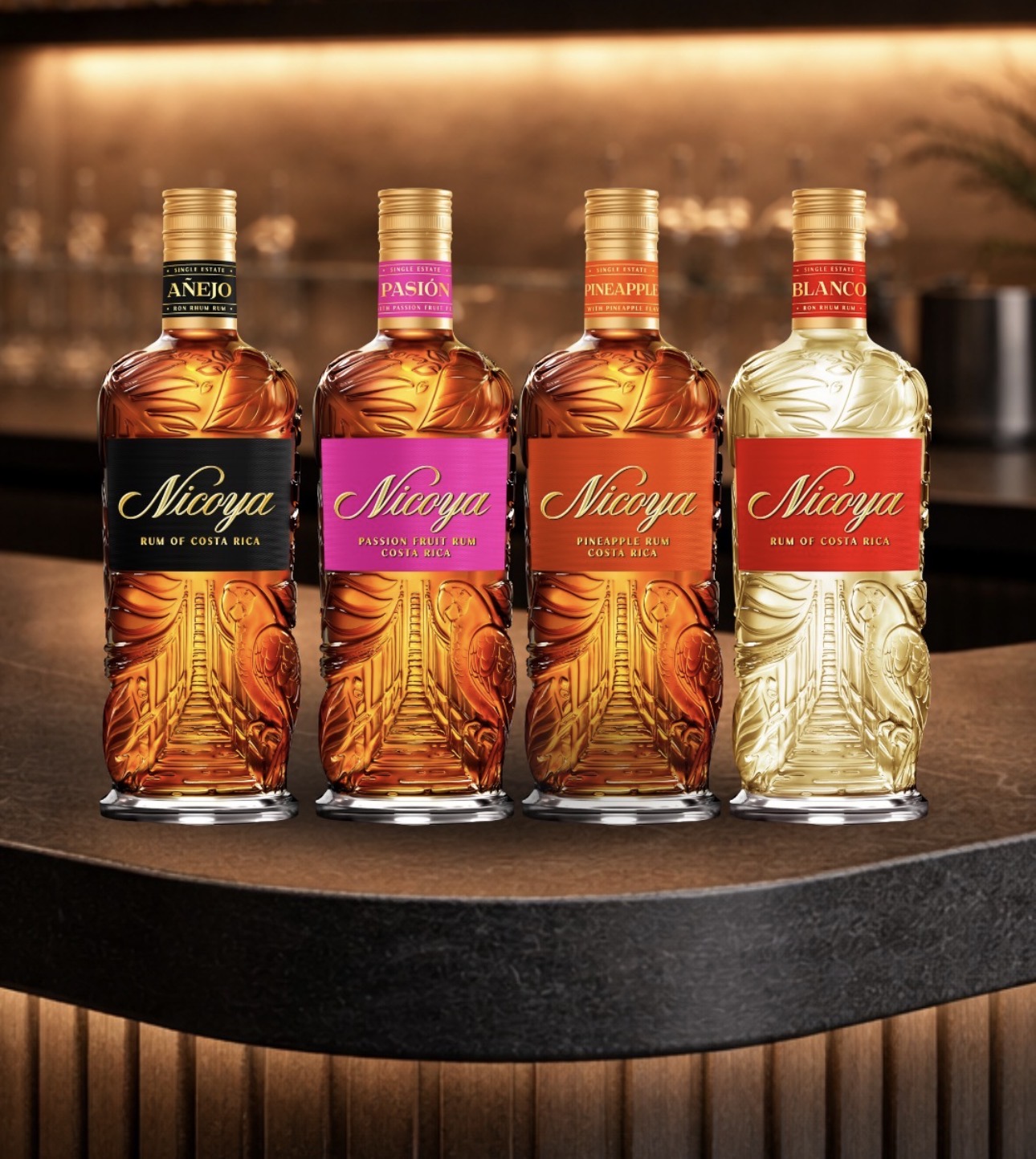
Nicoya Rum isn’t just another bottle on the shelf—it’s a statement. Born out of a shift in how we think about spirits, it challenges the tired metrics of age and replaces them with something far more visceral: place. In a category long dominated by legacy Caribbean narratives, Nicoya steps in with a fresh perspective rooted in Costa Rica’s Nicoya Peninsula, where Pacific winds and volcanic soil do more than shape crops—they define flavor.
At the center of it all is a new wave of producers who treat rum less like a commodity and more like culture. Think vineyard energy, but for sugarcane. The kind of approach where “single-estate” actually means something, where every sip traces back to one piece of land, one climate, one philosophy. It’s not just premiumization—it’s recalibration.
What sets Nicoya apart is its refusal to play by outdated rules. No smoke and mirrors, no inflated age statements masking blended realities. Instead, it leans into transparency: cane-to-glass production, real fruit infusions, and a focus on taste that hits immediately and lingers with intent. This is rum designed for people who care about what they’re drinking—but don’t want a lecture while doing it.
There’s also a deeper narrative unfolding here—one that mirrors shifts across fashion, food, and design. Consumers are moving away from mass and toward meaning. Provenance matters. Craft matters. And above all, authenticity cuts through. Nicoya feels aligned with that mindset, positioned less like a legacy spirit and more like a cultural product.
And maybe that’s the real flex: Nicoya isn’t trying to imitate the past. It’s building a future where rum stands shoulder to shoulder with whisky and tequila—not by copying them, but by owning what makes it different. Sun-soaked, fruit-forward, and unapologetically tied to its origin.
“Rum should taste like where it comes from.”
“Stop asking how old it is—start asking where it’s from.”
“Single-estate isn’t a label, it’s a philosophy.”
“You’re not just tasting rum—you’re tasting Costa Rica.”
“Make it accessible, but never compromise the integrity.”
Q: Pierre, tell us a little about yourself, and your experience in the world of spirits.
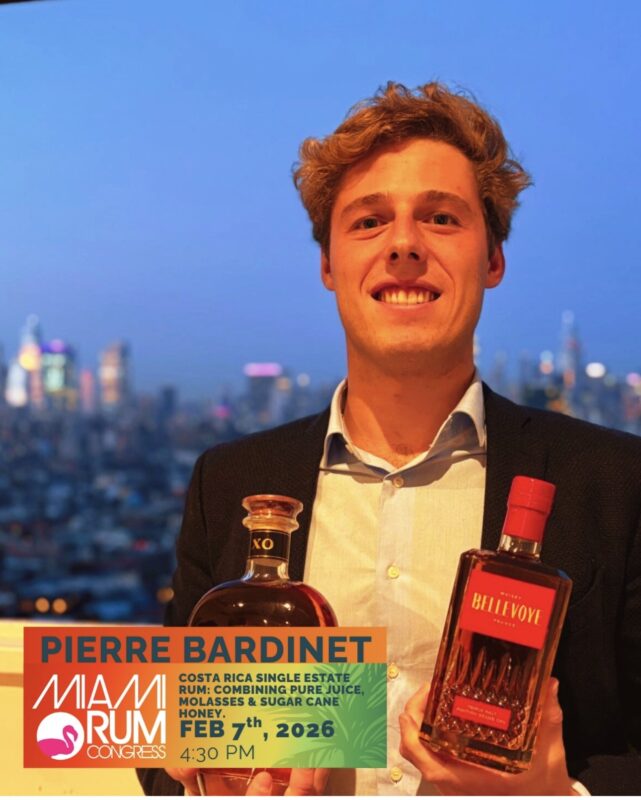
A: I was raised in my family vineyard in Saint-Émilion, where I learned early that great spirits start with the land. I joined Les Bienheureux in 2020 during my engineering studies and fell into whisky with Bellevoye, helping take French whisky from craft curiosity to category leader. Then came a trip to Costa Rica in 2021 and everything changed. We saw the potential and decided to build the country’s first distillery right there, on a single estate. Since then, I’ve been spending more and more time in this incredible place, developing Nicoya across the Americas and pushing one simple idea: rum should taste like where it comes from.
Q: For someone who’s newer to premium rum—what should they be paying attention to that most people completely overlook?
A: Most people focus on age. In rum, that’s often the least interesting part. What really matters is origin. Where the cane is grown, how fast it’s fermented, and what raw material is used. The reality is, a lot of Caribbean rums rely on molasses imported from far away, Africa, India, wherever supply comes from. It would be like making Champagne with grapes imported from India or Africa. You’d lose the whole point of origin. With Nicoya, everything happens on a single estate, from cane to blend. So you’re not just tasting a rum, you’re tasting a place: the Nicoya Peninsula in the heart of Costa Rica. If you’re getting into premium rum, stop asking “how old is it?” and start asking “where does it come from?”
Q: You hear a lot about “terroir” in wine—do you think rum is heading in that same direction, or is it a totally different story?
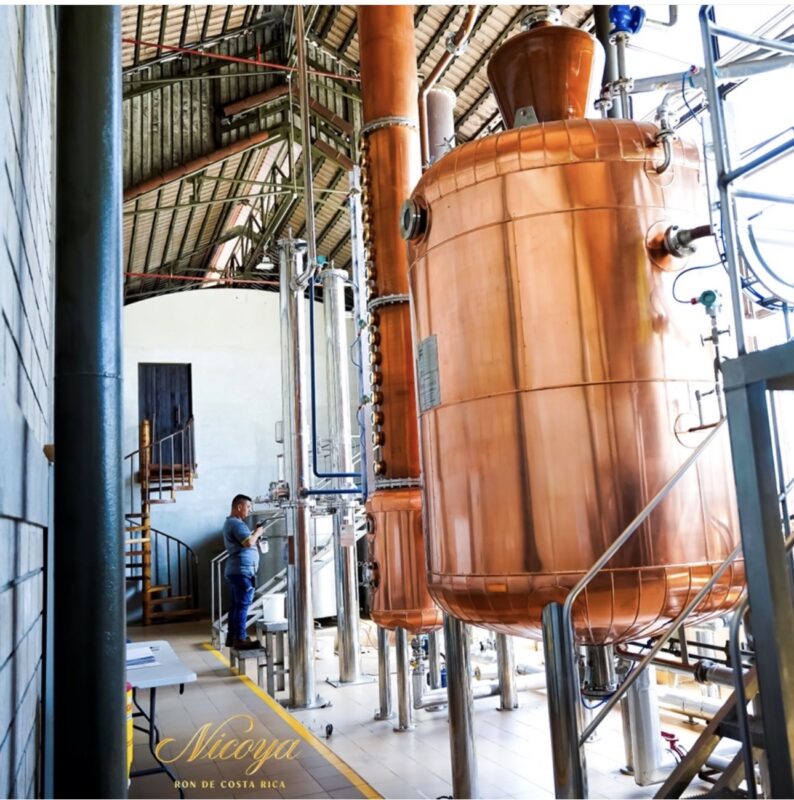
A: Terroir is simple: the plant, the place, and the people. The plant is the raw material, sugarcane vs grapes. The place is soil and climate shaping sugars and aromas. And the people, winemaker or master blender, turn that into a style. Wine has fully embraced this. In rum, we’re not there yet. We still accept a paradox: a spirit that talks about origin, but often uses molasses sourced from different countries. With Nicoya, we do the opposite: one single estate, full control from cane to blend, for a pure expression of Costa Rican cane under the Pacific climate of the Nicoya Peninsula. Behind it, there’s our Master Blender, Olivier Dumont, whose obsession with terroir was shaped by 20+ years in Bordeaux Grand Cru wines, now applied to rum with the same precision. At that point, terroir stops being a concept, and becomes something you can taste.
Q: When people hear “single-estate rum,” what does that actually mean in simple terms—and why should they care?
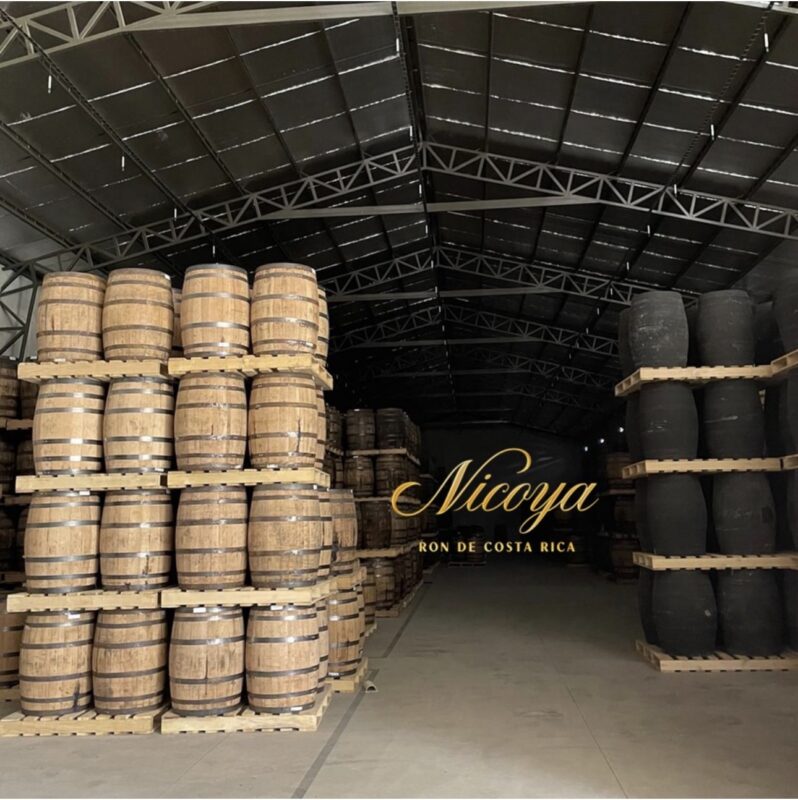
A: Single-estate is simple: everything comes from one place. Everything in Nicoya, from cane cultivation to ageing, happens on a single family estate on the Nicoya Peninsula, where the same family has been mastering sugarcane since 1916. Why should you care? Because one place means better quality, better value for your money, and total transparency. With Nicoya, you know exactly what you’re drinking, and where it comes from, Costa Rica, with pride.
Q: Rum can be a confusing category… do you think that’s holding it back compared to whiskey or tequila?
A: Rum is produced in 80+ countries, often with very different rules, or sometimes almost none. That’s why it can feel confusing, but it’s also what gives rum the widest flavor diversity of any spirit category. Take whisky. It’s very clear: if a bottle says 12 years old, that age is the youngest liquid in the blend. In rum, it’s often the opposite, some brands highlight the oldest drop, which is how you get those big numbers like 23 or 25, even though in a tropical climate, a barrel would be largely, if not completely, evaporated long before that. Then tequila. It’s much simpler because it comes from one country, Mexico, under one regulation. And now you have clear signals like “100% agave” or additive-free, which make it even easier to understand what’s in the bottle. Rum is starting to move in that direction, with more focus on origin and production. And, that’s where it gets exciting. Because today, rum offers incredible value. It’s getting hard to find a good aged whisky or tequila under $50, while you can still find excellent rums in the $20 to 30 range. So yes, rum can be confusing, but that diversity is also its biggest strength, and why it’s the most exciting categories right now in my opinion.
Q: If you were creating a rum today specifically for a younger audience, what would you do differently—flavor, branding, experience?
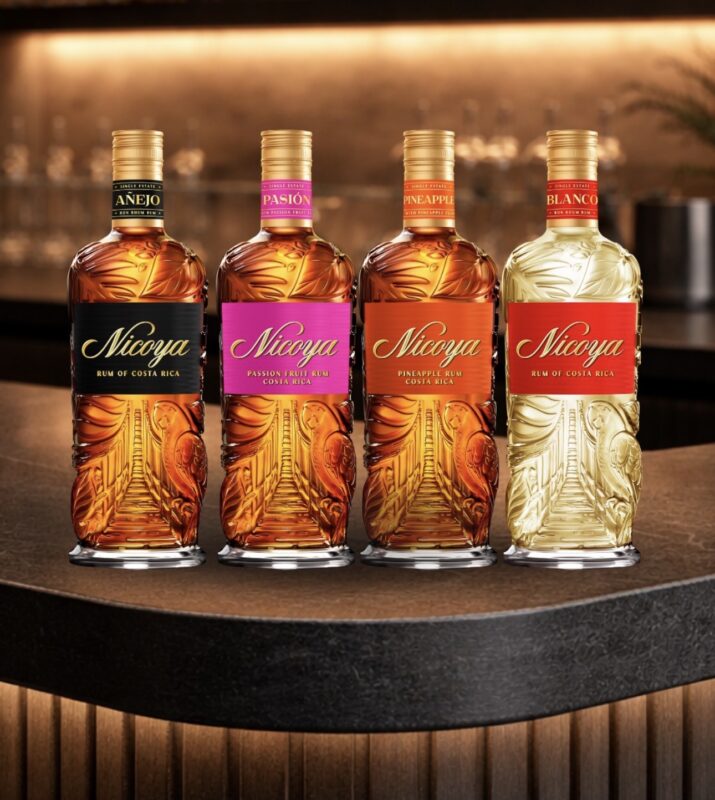
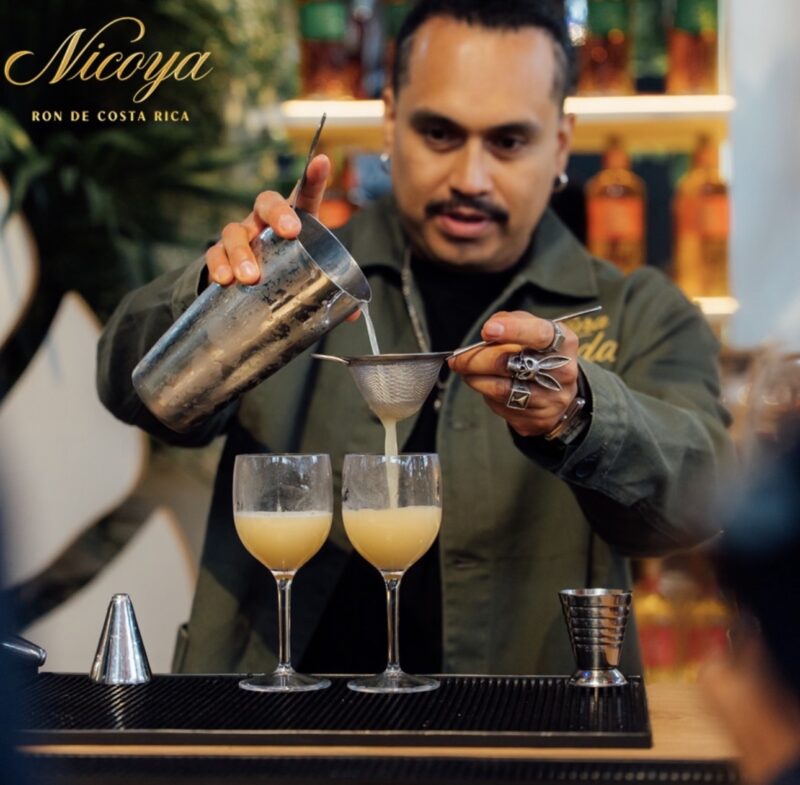
A: Younger consumers are already exploring more flavor in drinks, RTDs, vodka, ready cocktails. So the opportunity is to offer something more accessible, but without compromising on quality or transparency. With Nicoya, we developed Nicoya Pineapple and Nicoya Passion Fruit with that in mind. Costa Rica is the world’s largest pineapple producer, so Nicoya Pineapple blends real pineapple extract with our single-estate rum. The result is fresh, vibrant, and genuinely tastes like the fruit, not like candy. Nicoya Passion Fruit is inspired by Costa Rican gastronomy, especially ceviche. It brings a bright, juicy burst upfront, followed by a long finish where the fruit and the rum stay perfectly balanced. The idea is simple: make rum more accessible without lowering the bar. Real fruit, controlled sugar (less than most sodas), and full single-estate transparency. So you get an easy, enjoyable entry into rum, but with the same integrity behind it.
Q: Gen Z is drinking less overall—how do you even approach a generation that’s not as interested in alcohol to begin with?
A: I’m Gen Z myself, so I see those shifts very clearly. The first factor is price. Going out is expensive. When a cocktail is $20–25, people compare it to everything else they could spend that money on during a night out or a concert. In the U.S., that also includes recreational alternatives like cannabis or other substances that are often cheaper. So alcohol has to justify its value again.
Q: Do you think the future is about getting people to drink more… or getting them to drink better and more intentionally?
A: It’s not about getting people to drink more, it’s about getting them to drink better. We’ve seen an explosion of products over the past years, many coming from small craft distilleries, often driven by producer vision more than real consumer expectations. The result is a very crowded market. Now, things are starting to rationalize. Consumers are more selective, more informed, and less willing to compromise. They don’t want complexity for the sake of it, they want products that are clear, well-made, and genuinely enjoyable. So the future is simple: fewer products, but better ones. With Nicoya, that’s exactly the focus, not trying to follow trends, but building something that delivers in the glass, is easy to understand, and worth choosing when people decide to drink.
Q: Breaking into the U.S. market is no joke—what actually moves the needle early on: bartenders, storytelling, or just having a great product?
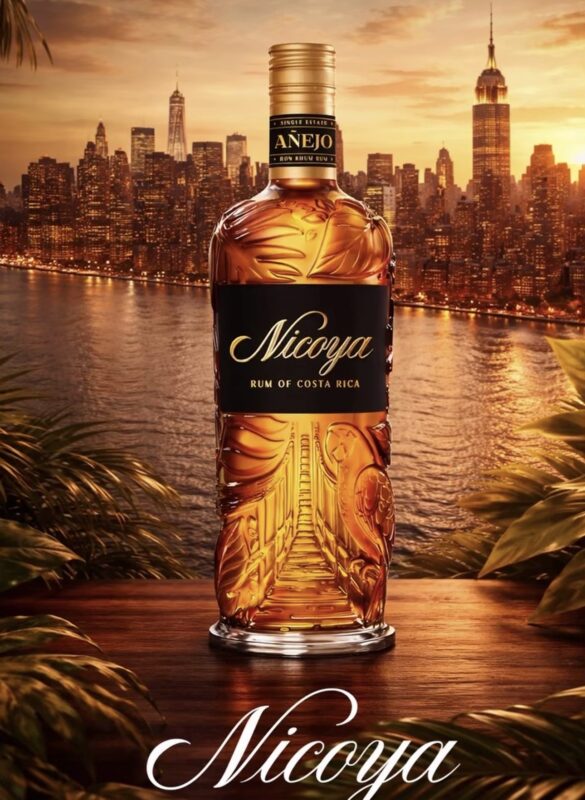
A: It starts with the good rum! Bartenders and storytelling help, but if the liquid doesn’t deliver, nothing sticks. With Nicoya, what really moves the needle early is getting people to taste it. That’s why we focus on a long-term partnership with Total Wine & More and a simple approach: tastings, tastings, and more tastings. Add to that strong traction at origin in Costa Rica, and you create real pull in the U.S. In the end, great product, and make sure people taste it.
Q: If you had to build a rum brand today with a limited budget, where would you focus your energy first?
A: I’d start with the consumer, not a founder idea. I’m 26, and I spend a lot of time on the ground, in stores, talking to people, asking simple questions: what do you actually buy? why? That’s how we conceived Nicoya, not from a desk, but from real demand for an authentic yet accessible rum. From day one, I’d build with a leading importer and their top 5 key accounts. It keeps you honest, saves time and cash, and avoids launching something no one needs. We’ve just launched Nicoya, the first rum of Costa Rica, which I’m proud of. Now it’s all about focus and execution. At my age, I have plenty of ideas, but Nicoya is a great opportunity to test the U.S. market and prove that single-estate rum can truly succeed.
Q: Looking ahead, what do you think rum still needs to prove to stand on the same level as the world’s top spirits?
A: Rum doesn’t need to prove it can compete, it already can. It just needs to change the narrative. For too long, the category has been driven by age. And that’s misleading. A good rum is not “23”, it’s a rum that tastes good. Simple as that. What rum needs now is transparency. Clear origin, clear raw material, clear production. Help people understand what’s in the glass. At the same time, bring new consumers in. I believe, flavor has a role to play, just look at what Captain Morgan did for the category. And don’t forget one key advantage: value. Rum still delivers great quality at prices whisky and tequila struggle to match. With Nicoya, we’re right at the cross of these trends: transparent, single-estate, accessible, and expressive in the glass.
CONCLUSION
Nicoya feels like it’s arriving at exactly the right moment. As drinkers move away from status-driven consumption and toward intentional choices, rum has an opening—and Nicoya is stepping into it with clarity. No overcomplication, no legacy baggage. Just a clean narrative backed by real substance.
What makes it resonate is how it bridges two worlds. On one side, deep respect for agricultural roots and terroir. On the other, a modern understanding of how people actually drink today—flavor-forward, social, and experience-driven. It’s not trying to be exclusive; it’s trying to be right.
There’s also something to be said about timing within the broader spirits landscape. Whisky is saturated. Tequila is premiumized to the point of inaccessibility. Rum, by contrast, still has room to move—and brands like Nicoya are redefining what “good” looks like in that space.
And then there’s the cultural angle. This isn’t just about liquid—it’s about identity. Costa Rica isn’t historically known for rum in the same way as its Caribbean neighbors, which makes Nicoya’s emergence feel even more disruptive. It’s carving out a new lane, not inheriting one.
At the end of the day, Nicoya isn’t asking for attention—it’s earning it. Through transparency, through taste, and through a point of view that feels both grounded and forward-thinking. If this is where rum is heading, the category isn’t just evolving—it’s leveling up.